
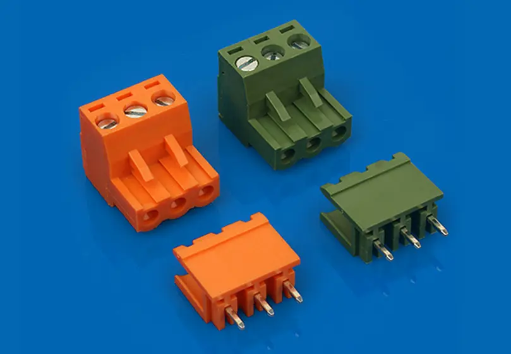
Electrical systems rely on numerous components to create safe and efficient pathways for power and signal transmission. Among the most important are wire crimp connectors which are often used together but serve different purposes. Understanding the difference between these components helps engineers, technicians, and manufacturers select the right products for reliable electrical installations.
From automotive wiring and industrial machinery to renewable energy systems and consumer electronics, connectors and terminals play a crucial role in maintaining secure electrical connections. Choosing the appropriate component improves system performance, simplifies maintenance, and enhances long-term reliability.
Connectors vs. Terminals: What’s the Difference?
Although connectors and terminals are closely related, they perform different functions within an electrical system.
Electrical connectors are designed to join two or more electrical circuits, allowing power or signals to pass between components. They often consist of multiple terminals housed within a protective casing that enables quick connection and disconnection when needed.
Electrical terminals, on the other hand, are individual conductive components that create the actual electrical contact between a wire and a device. They are commonly attached to wires and installed inside connectors, switches, circuit breakers, or electrical equipment to ensure a secure connection.
Understanding this distinction helps ensure the correct components are selected for each application.
Benefits of Using Quality Connectors and Terminals
High-quality electrical connection components offer several advantages across a wide range of industries.
Reliable Electrical Performance
Secure connections help maintain consistent electrical flow and reduce the risk of power interruptions.
Improved System Safety
Well-designed connection components minimize loose wiring, overheating, and electrical faults.
Simplified Installation
Modern connectors and terminals make assembly, maintenance, and future upgrades more efficient.
Common applications include:
• Automotive wiring systems
• Industrial control equipment
• Renewable energy installations
• Telecommunications infrastructure
• Consumer electronics
• Medical equipment
These industries rely on dependable electrical connections to ensure safe and efficient operation.
Choosing the Right Connection Components
Selecting the appropriate connection products depends on current capacity, environmental conditions, installation methods, and long-term durability requirements. High-quality components contribute to more reliable electrical systems and lower maintenance costs.
For secure cable assembly, wire crimp connectors provide strong mechanical and electrical connections that help improve system reliability. Likewise, waterproof wire connectors are ideal for outdoor and moisture-prone environments, protecting electrical connections from water, dust, and corrosion while maintaining dependable performance.
Conclusion
Understanding the difference between connectors and terminals is essential for designing safe and efficient electrical systems. While connectors provide the complete interface between electrical circuits, terminals create the individual contact points that allow electricity to flow securely.
Whether using wire crimp connectors for durable cable connections or waterproof wire connectors for outdoor electrical installations, selecting quality components helps improve safety, reliability, and long-term performance. As electrical systems continue to become more advanced, dependable connectors and terminals will remain fundamental to successful electrical engineering.