Understanding Wedding Bands
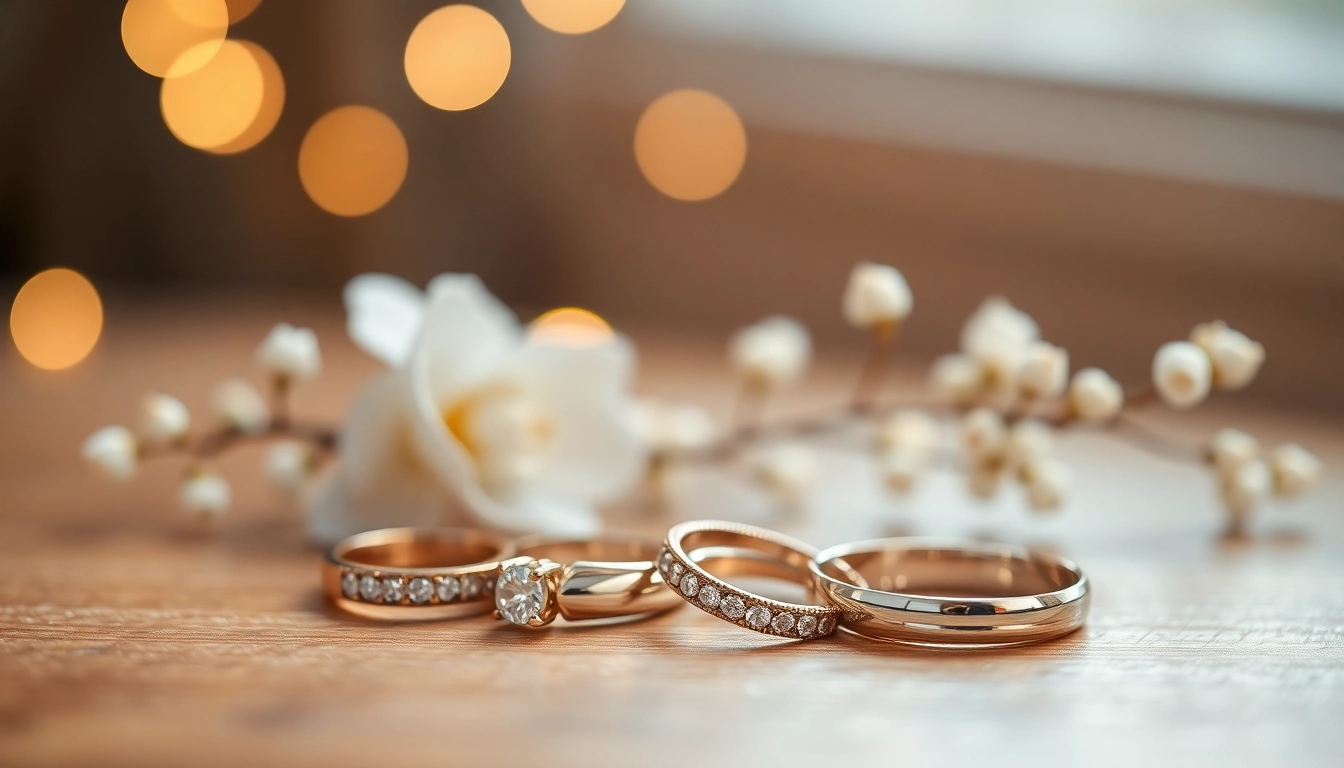
Wedding bands serve as one of the most enduring symbols of love and commitment between partners. These rings, exchanged during the wedding ceremony, represent an unbroken circle of love and unity. Not only do they signify the promises made to each other, but they also hold cultural and personal significance that varies from couple to couple. In today’s world, choosing the right Wedding bands involves understanding a myriad of factors including style, material, size, and budget-friendly options that suit individual tastes and lifestyles.
The Significance of Wedding Bands
The significance of wedding bands extends far beyond mere adornment. Historically, the tradition of exchanging rings dates back thousands of years, with roots in ancient civilizations such as the Egyptians, Greeks, and Romans. These early cultures believed that rings symbolized eternity, and were often made from materials like reeds and leather. Today, wedding bands hold profound cultural and personal meanings:
- Commitment: Presents a tangible expression of love and loyalty.
- Tradition: Anchors the couple in their shared history and heritage.
- Identity: Represents the couple’s bond and commitment to one another, often shaping their identity as partners.
Material Options for Wedding Bands
When it comes to materials for wedding bands, couples have a wealth of choices that balance beauty, durability, and personal style. Here are some popular options:
- Gold: A classic choice available in yellow, white, and rose hues. Gold’s varying karats (10K, 14K, 18K) affect its durability and color.
- Platinum: Known for its durability and hypoallergenic nature, platinum is a premium option, perfect for those who prioritize longevity.
- Tungsten: A contemporary choice due to its scratch-resistant properties, tungsten carbide is ideal for those with active lifestyles.
- Palladium: A lighter alternative to platinum, palladium is also durable and has a shimmering finish.
- Wood and alternative materials: Unique and customizable, these materials offer distinct styles that can reflect personal values or interests.
Choosing the Right Size
Choosing the correct ring size is crucial for comfort and longevity. An ill-fitting wedding band can cause discomfort and even risk loss. To ensure the perfect fit:
- Measure at the right time of day—fingers tend to swell during warmth and shrink in cold.
- Consider the width of the band, as wider bands may require a slightly larger size.
- Visit a reputable jeweler for accurate sizing or use a professional ring sizer at home for added accuracy.
Styles of Wedding Bands
Classic vs. Modern Wedding Bands
Wedding band styles typically fall into two categories: classic and modern. Classic bands focus on timeless aesthetics with polished finishes and simple designs. In contrast, modern bands explore innovative designs that reflect personal tastes and contemporary trends. For instance:
- Classic Bands: Often smooth and unadorned, they emphasize the quality of the metal.
- Modern Bands: Can feature intricate designs, mixed materials, textures, and even gemstone accents, appealing to those who want something unique.
Custom Design Options for Wedding Bands
Custom-designed wedding bands allow couples to express their unique love stories through personalized elements. This could include engravings, specific motifs, or even incorporating family heirlooms. The process usually involves:
- Consulting with a jeweler to discuss design ideas
- Choosing materials and styles that resonate with both partners
- Reviewing sketches or CAD models before the final creation
Popular Trends in Wedding Bands
Keeping up with popular trends can inspire couples in their choices for wedding bands. Some current trends include:
- Stackable Rings: Couples opt for multiple bands that can be worn together for a personalized look.
- Mixed Metals: Combining different metals in one band creates a unique, layered look.
- Textured Finishes: Hammered, brushed, or matte finishes are gaining attention for their contemporary appearance.
Selecting Wedding Bands
Budget Considerations for Wedding Bands
Budget is often a critical factor in the selection process for wedding bands. Establishing a budget early helps narrow options and ensures you find a beautiful band without unwarranted financial stress. Consider the following tips:
- Set a realistic budget that aligns with your overall wedding expenses.
- Prioritize essential features, such as material and design, to streamline costs.
- Explore financing options or buy during sales to secure better deals.
Finding a Reputable Jeweler for Wedding Bands
Choosing a trustworthy jeweler is crucial for ensuring high-quality products and services. Start by:
- Researching local jewelers through reviews and recommendations.
- Visiting multiple stores to examine their selection and customer service.
- Inquiring about warranties to understand the service and repair options available post-purchase.
How to Match Wedding Bands to Engagement Rings
Harmonizing wedding bands with engagement rings involves matching design elements, materials, and proportions. Here’s how to ensure a cohesive look:
- Consider the metal type and color. Matching metals can create a seamless look.
- Review the style and detailing of the engagement ring to select a band that complements, rather than competes.
- Choose a similar width to maintain balanced proportions on the hand.
Care for Wedding Bands
Cleaning and Maintenance Tips for Wedding Bands
To preserve the beauty of your wedding bands, follow a regular maintenance routine, including:
- Soaking in warm, soapy water and gently scrubbing with a soft toothbrush.
- Taking rings to a jeweler for professional cleaning and inspection at least once a year.
- Storing bands in a soft cloth or jewelry box to prevent scratches.
When to Resize or Repair Wedding Bands
Resizing should not be taken lightly; it may become necessary due to various factors. Consider resizing when:
- The ring feels tight or loose, causing discomfort.
- Swelling due to weather changes impacts fit.
- Temporary measures such as ring guards do not resolve the issue.
Storing Wedding Bands Properly
Proper storage of wedding bands extends their life and keeps them in excellent condition. Follow these tips:
- Store rings separately to prevent scratching against other jewelry.
- Consider using a padded jewelry box or soft cloth to wrap each band.
- Avoid leaving rings exposed to harsh sunlight or extreme temperatures.
FAQs About Wedding Bands
What metal should I choose for wedding bands?
Your choice of metal depends on personal preference, lifestyle, and budget. Consider durability and hypoallergenic properties when making your decision.
How do I determine my wedding band size?
To determine your ring size, measure your finger’s circumference or visit a jeweler for a professional fitting.
How often should I clean my wedding bands?
Cleaning your wedding bands every few months is ideal. Professional cleaning once a year helps maintain their shine and integrity.
Can wedding bands be customized?
Yes! Many jewelers offer customization options like engravings, unique designs, and combining materials to suit your personal style.
What is the average cost of wedding bands?
The average cost varies widely based on materials and designs, but many couples spend anywhere from a few hundred to several thousand dollars for wedding bands.