
Understanding Vinyl Flooring: Features and Benefits
What is Vinyl Flooring?
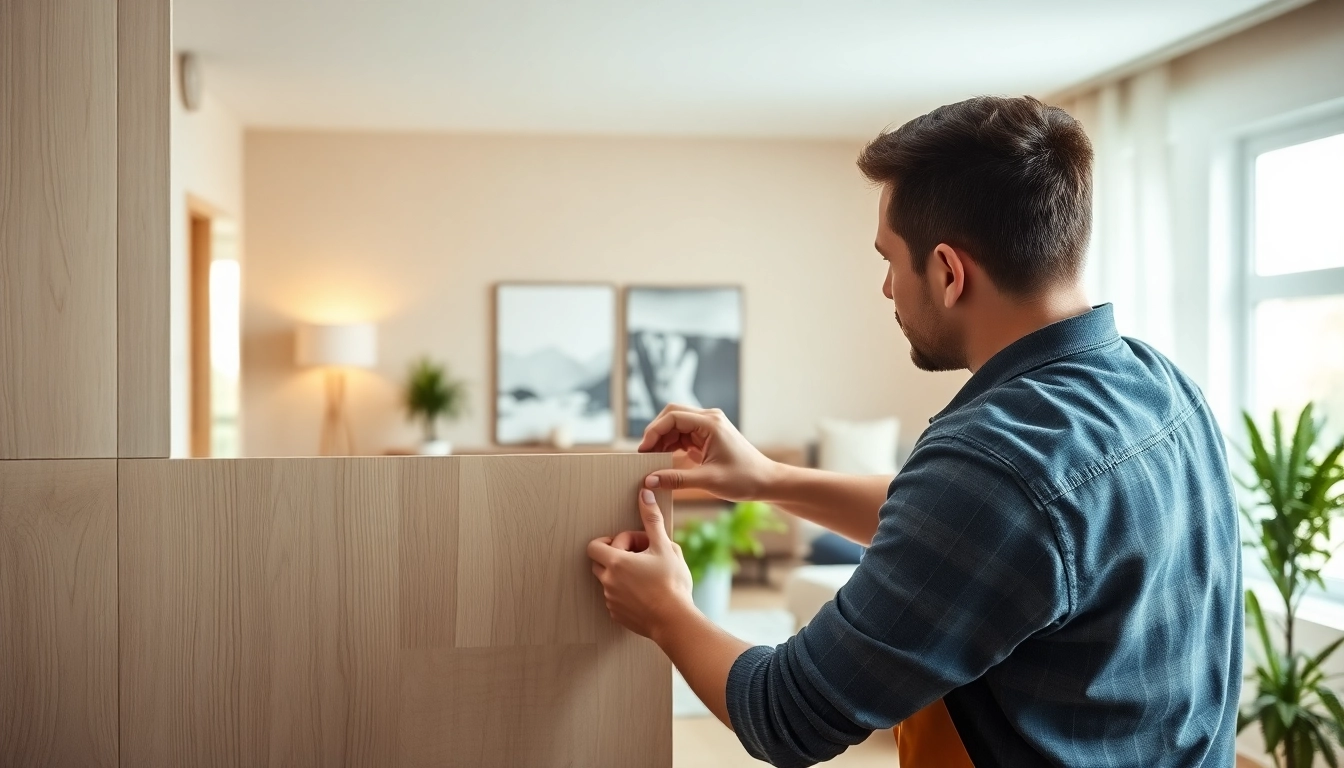
Vinyl flooring is a popular flooring option composed primarily of synthetic materials such as polyvinyl chloride (PVC). This versatile flooring type mimics the appearance of natural materials like wood and stone while providing a more affordable, durable solution for various residential and commercial spaces. With advanced printing techniques and textures, vinyl flooring can seamlessly blend with any décor, providing an aesthetically pleasing finish that doesn’t break the bank.
Advantages of Vinyl Flooring
There are numerous benefits associated with choosing vinyl flooring, making it an attractive option for homeowners and businesses alike. Some of the most significant advantages include:
- Affordability: Compared to hardwood or tile, vinyl flooring is cost-effective, allowing you to achieve the desired aesthetic without overspending.
- Water Resistance: Many vinyl products are water-resistant or even waterproof, making them ideal for high-moisture environments like kitchens and bathrooms.
- Easy Maintenance: Vinyl flooring requires minimal maintenance, requiring only regular sweeping and occasional mopping to keep it looking fresh.
- Comfort: Vinyl flooring has a softer feel underfoot compared to harder surfaces like tile, providing greater comfort for extended standing periods.
- Variety of Styles: With a wide variety of colors, patterns, and textures available, finding the perfect vinyl flooring to match your style is easy.
Types of Vinyl Flooring Available
Different types of vinyl flooring cater to varying needs and preferences. Understanding these types can help you make an informed decision:
- Sheet Vinyl: Seamless sheets of vinyl flooring that can cover large areas and provide excellent waterproof capabilities.
- Vinyl Tiles: Self-adhesive or interlocking tiles that resemble ceramic or stone, allowing for unique layouts and patterns.
- Luxury Vinyl Plank (LVP): Designed to mimic hardwood, LVP combines aesthetics with durability, making it a favorite for many homeowners.
Selecting the Right Vinyl Flooring for Your Space
Factors to Consider When Choosing Vinyl Flooring
When selecting the best vinyl flooring for your space, there are several factors to consider:
- Foot Traffic: Assess the expected foot traffic to determine the suitable thickness and wear layer of your vinyl flooring.
- Room Function: Different rooms serve different purposes. Consider moisture levels in bathrooms compared to living rooms.
- Subfloor Type: Always check if your subfloor is suitable for vinyl installation to prevent future issues.
Aesthetic Choices: Patterns and Colors
Vinyl flooring offers a plethora of design options. From natural wood finishes to intricate geometric patterns, the choices are nearly endless. Decide whether you want the flooring to blend harmoniously with your décor or stand out as a feature element. You can also play with contrasting textures and tones for a dynamic look.
Durability and Maintenance Requirements
Vinyl flooring is known for its durability. However, different types have varying resilience. It’s essential to select a product with a proper wear layer for your needs. Maintenance is straightforward; regular sweeping and damp mopping are usually sufficient. For high-traffic areas, consider specialized cleaning products to enhance longevity.
Installation Guide: How to Install Vinyl Flooring
Preparation Steps for Installing Vinyl Flooring
Proper preparation is crucial for a successful vinyl flooring installation. Follow these steps:
- Clean the Subfloor: Remove all dirt, debris, and any old flooring materials.
- Ensure a Level Surface: Repair any uneven areas in the subfloor to prevent issues during installation.
- Acclimate the Flooring: Allow vinyl planks or tiles to acclimate in the room where they will be installed for 48 hours.
Step-by-Step Installation Process
The installation process can vary based on the type of vinyl flooring. Here’s a general overview:
- Measure the Area: Calculate the total square footage to determine how much material is needed.
- Cut the Vinyl: Using a utility knife, cut the vinyl to fit your space, allowing for adjustments around corners.
- Install the Flooring: For glue-down flooring, apply adhesive evenly; for click-lock systems, simply connect the pieces according to the manufacturer’s instructions.
- Finishing Touches: Install baseboards or trim to cover expansion gaps and complete the look.
Common Mistakes to Avoid
To ensure a successful installation, avoid these common pitfalls:
- Skipping Subfloor Preparation: Proper cleaning and leveling are essential for a smooth finish.
- Incorrect Acclimation: Not allowing the flooring to acclimatize can lead to expansion or contraction issues.
- Neglecting Expansion Gaps: Always leave necessary gaps around the perimeter to accommodate shifting.
Caring for Your Vinyl Flooring: Maintenance Tips
Cleaning and Upkeep Recommendations
To maintain your vinyl flooring’s appearance and extend its lifespan, follow these cleaning recommendations:
- Regular Sweeping: Remove dirt and debris to prevent scratches.
- Wet Mopping: Use a damp mop with a gentle vinyl cleaner for a deeper clean.
- Avoid Harsh Chemicals: Strong solvents may damage the flooring surface; always opt for manufacturer-recommended products.
Protecting Against Wear and Tear
Prevent wear and tear by taking a few protective measures:
- Use Entry Mats: Place mats at entrances to minimize dirt transfer.
- Furniture Pads: Add felt pads to the feet of furniture to avoid scratches.
- Manage Pet Claws: Regular pet grooming can prevent scratches caused by animal claws.
Extending the Life of Your Vinyl Flooring
To enjoy your vinyl flooring for years to come, consider these strategies:
- Routine Inspections: Periodically check for signs of damage or wear to address any issues early.
- Refinishing Options: Some vinyl floors can have a protective layer reapplied to refresh their appearance.
- Follow Manufacturer Guidelines: Adhere to care guidelines provided by the manufacturer for optimal performance.
Frequently Asked Questions about Vinyl Flooring
Is vinyl flooring waterproof?
Many types of vinyl flooring are water-resistant or waterproof, making them suitable for bathrooms and kitchens. However, it’s essential to choose products specifically marketed as waterproof.
Can vinyl flooring be installed over existing floors?
Yes, vinyl flooring can often be installed over existing floors, provided the original surface is smooth, clean, and structurally sound. Ensure to follow installation guidelines for best results.
How long does vinyl flooring last?
With proper care, high-quality vinyl flooring can last 10 to 20 years. The lifespan can vary depending on the type of vinyl, its installation, and the level of foot traffic.
Is vinyl flooring environmentally friendly?
Vinyl flooring has improved in sustainability. Many manufacturers now produce eco-friendly options with lower volatile organic compounds (VOCs) and recyclability, but it’s essential to research specific products for their environmental impact.
How do I fix scratches on vinyl flooring?
Light scratches can be repaired with a vinyl floor repair kit or a simple application of rubbing alcohol. For deeper cuts, you may need to use a vinyl patch kit or consult a professional for assistance.