
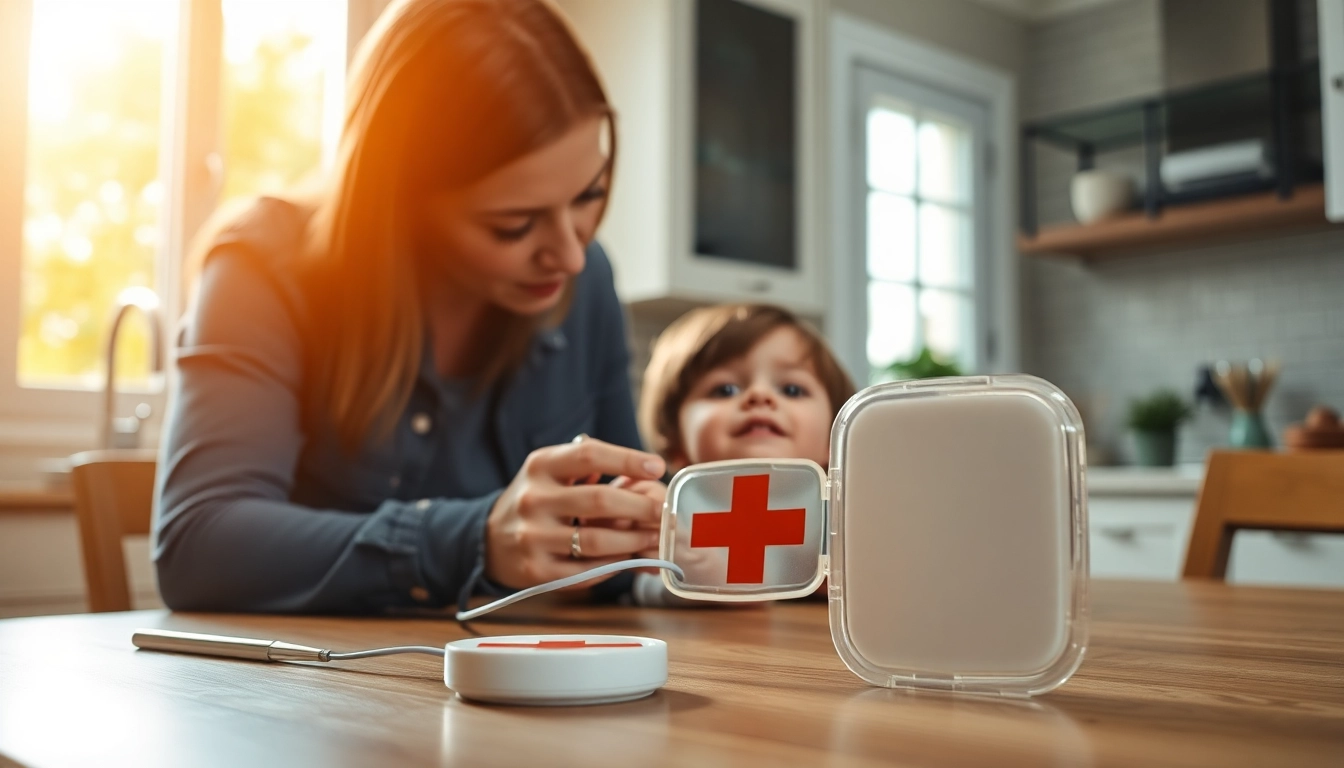
Understanding the Necessity of a Choking Device
Choking is a serious emergency that can occur suddenly and requires immediate action. A choking device provides a crucial solution for managing airway obstructions. These devices act as safety tools in homes, restaurants, schools, and other settings, potentially saving lives. With the rise in awareness of choking hazards, understanding how these devices work, their societal implications, and knowing common misconceptions becomes essential.
What Is a Choking Device and How It Works
A choking device is a specialized instrument designed to relieve airway obstructions by removing foreign objects lodged in the throat. Generally, these devices are characterized by their user-friendliness and efficacy. They often utilize suction or mechanical means to extract obstructions, rendering immediate assistance before professional medical help arrives. Typical mechanisms include:
- Suction Mechanism: Many devices employ a vacuum-like action to draw out the object, making it successful in emergencies.
- Mechanical Compression: Some devices use controlled pressure to expel the blockage forcefully.
Regardless of the mechanism, they are all focused on restoring airflow as quickly as possible. While basic first-aid knowledge is invaluable in a choking situation, having a choking device nearby can enhance the chances of survival.
The Importance of Immediate Action
In a choking situation, the passage of time is critical. Brain damage can start within 4 minutes without oxygen, and irreversible damage can occur in as little as 10 minutes. Knowing how to react promptly can make the difference between life and death. Choking devices serve to bridge the gap between when an individual realizes someone is choking and when medical personnel arrive. Having these devices on hand can expedite emergency responses, as users do not need to rely solely on manual methods like the Heimlich maneuver.
Common Misconceptions About Choking Devices
Despite the crucial importance of choking devices, several misconceptions remain prevalent. Understanding these misconceptions can lead to better decision-making:
- Misinformation on Efficacy: Some believe that choking devices are always superior to traditional methods like back blows or abdominal thrusts. The truth is, the best approach varies by situation.
- Device Complexity: Many perceive choking devices as overly complicated. In reality, they are engineered to be user-friendly, suitable for individuals without professional training.
- Assumption of Device Universalism: Not all choking devices are suitable across ages. Some are designed specifically for adults, while others are tailored for children or infants.
Choosing the Right Choking Device for Different Situations
Choosing the appropriate choking device is crucial for ensuring effectiveness. Numerous factors influence this decision, from the age of potential users to the specific environment where the device will be used.
Factors to Consider Before Purchase
When selecting a choking device, several considerations are important:
- User Age: Devices designed for adults may not be suitable for young children due to size or force specs.
- Location of Use: Consider where the device will be kept (home, vehicle, workplace) as portability may be a major factor.
- Ease of Use: Devices should have clear instructions and quick access. Familiarity with the device enhances response time in emergencies.
- Reviews and Ratings: Always check user feedback and expert evaluations for insights into reliability and effectiveness.
Comparison of Popular Choking Devices
While many devices claim effectiveness, certain models stand out through rigorous testing and user reviews. Key aspects to consider include:
- Design and Portability: Compare size and weight—devices that are more portable and compact are easier to store.
- Accessibility: Devices that come with carrying cases or are visually distinctive can be reached quickly in emergencies.
- Effectiveness Rates: Research and compare data on how well each type has performed in trials or actual emergencies.
Identifying Quality and Safety Certifications
Before purchasing a choking device, consumers should seek products that adhere to recognized safety and quality standards. Certifications can include:
- FDA Approval: Devices that have undergone thorough evaluation by the FDA ensure they meet specific safety guidelines.
- ISO Certification: Look for International Organization for Standardization (ISO) certifications that indicate industry excellence.
Choosing certified devices adds confidence in their effectiveness and safety.
How to Properly Use a Choking Device
Understanding the proper use of a choking device is essential. Familiarity can save lives in desperate moments.
Step-by-Step Guide for Using a Choking Device
Here’s an effective guide for using a choking device:
- Assess the Situation: Verify if the individual is truly choking. Look for signs such as the inability to talk, cough, or breathe.
- Remove the Device: Access your choking device promptly.
- Position the Individual: Ensure the choking victim is in a standing or sitting position, maintaining clarity for best access.
- Follow Instructions: Each device will come with specific usage guidelines. Follow them precisely for optimal results.
- Monitor Condition: Continue to assess and, if necessary, perform additional measures until professional help arrives.
Best Practices During a Choking Emergency
During a choking incident, maintaining composure is paramount. Some best practices include:
- Don’t panic: Staying calm can help you think clearly and act decisively.
- Call for help: If possible, alert others nearby or call emergency services for additional support.
- Training: Regularly refresh training on how to assist choking victims and use choking devices.
Training and Familiarization Techniques
It is critical to familiarize yourself with the choking device you choose and receive proper training. Consider attending workshops or online courses. Practicing with Jillian simulation of choking scenarios can increase confidence, making it likely that you will respond correctly in a real situation.
Challenges and Limitations of Using a Choking Device
While choking devices are invaluable, they are not foolproof. Recognizing their limitations is essential for realistic expectations.
Potential Failures and How to Address Them
Devices may fail to work due to several factors, including incorrect usage, improper selection for the victim’s age, or mechanical malfunctions. Here’s what to do:
- Always read instructions carefully before use.
- Ensure regular maintenance and inspection of devices to prevent malfunctions.
- Learn first aid techniques and traditional methods as backup options.
When to Seek Professional Help
After any choking incident, even if the obstruction seems resolved, seeking medical attention is paramount. Victims may experience complications not immediately apparent, such as injury to the airway.
Understanding User Feedback and Reviews
User reviews provide insight into the performance and satisfaction level of a choking device. Analyze these testimonials for information on ease of use, effectiveness, and reliability to choose the ideal device.
Frequently Asked Questions About Choking Devices
What do I need to know before using a choking device?
Understand the device’s operation, ensure it’s suitable for users’ ages, and periodically practice using it to maintain skill in emergencies.
How effective is the choking device compared to traditional methods?
Research indicates that choking devices can be more effective than manual methods. However, it’s advisable to learn both approaches for emergencies.
Are choking devices recommended for infants and children?
Yes, some choking devices are specifically designed for infants and children. Always choose one appropriate for the specific age group.
Where can I purchase a reliable choking device?
Most medical supply stores, specialty safety retailers, and online marketplaces offer reliable choking devices. Always verify quality and certifications.
Do I need training to use a choking device?
While many devices are easy to use, training is strongly recommended to ensure proper usage in emergencies and to boost confidence.