
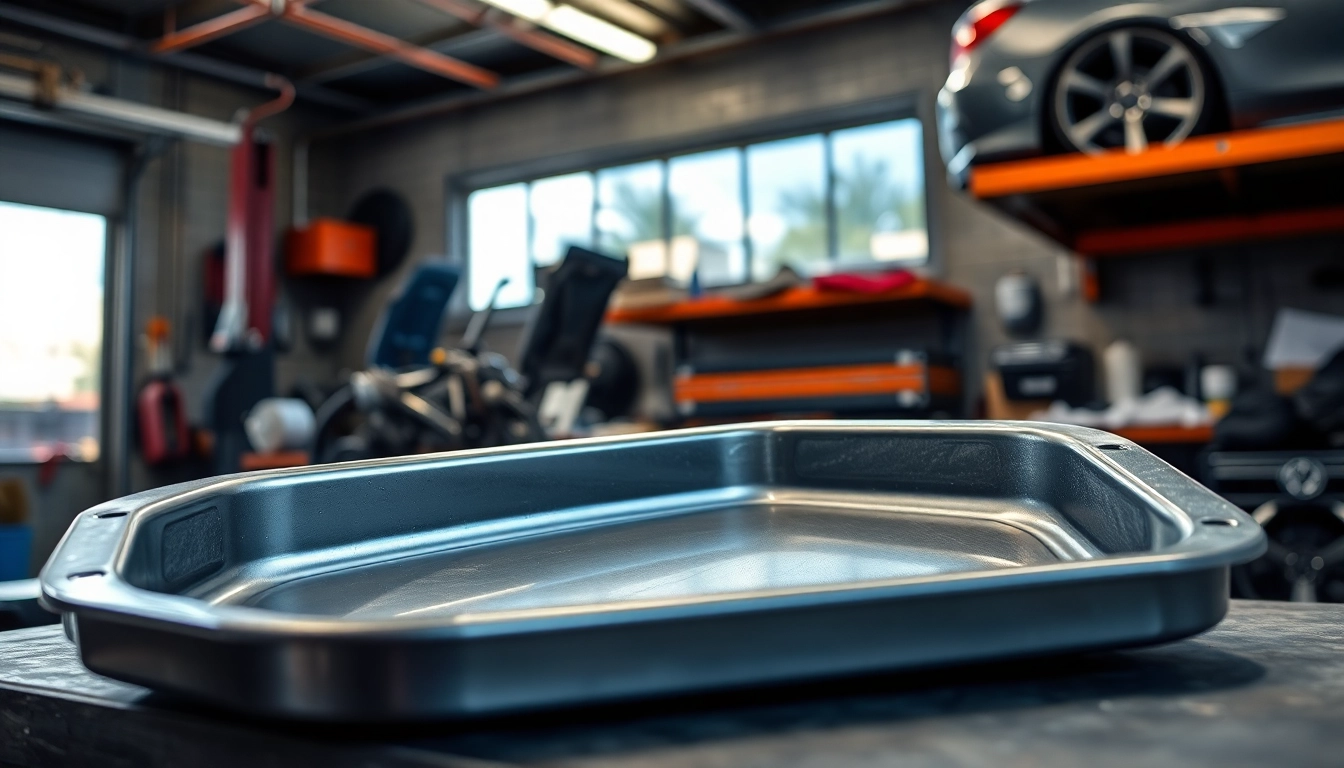
Understanding Oil Drain Pan Types
When it comes to maintaining your vehicle, having the right tools is essential. One of the most crucial tools for oil changes and fluid transfers is the Oil Drain Pan. Knowing the types available can help you make an informed decision suited to your automotive needs. There are several types of oil drain pans available in the market, each designed for specific purposes. Let’s dive into the main variants.
Metal Oil Drain Pan Variants
Metal oil drain pans are known for their durability and ability to withstand high temperatures. Typically made from aluminum or steel, these pans can endure the rigors of heavy-duty use. Their robust design often features a thicker gauge, making them ideal for professional mechanics or those who frequently perform oil changes.
One notable advantage of metal oil drain pans is their resistance to punctures and damage. They’re also easier to clean compared to plastic versions; a simple rinse can often restore them to like-new condition. Some models come equipped with sophisticated pouring features that minimize spillage, enhancing efficiency during oil changes.
Plastic Oil Drain Pan Benefits
On the other hand, plastic oil drain pans offer their own unique set of benefits. Lightweight and easy to maneuver, plastic pans are often the go-to option for many DIY enthusiasts. They are typically more affordable than their metal counterparts, making them a cost-effective choice for occasional use.
Many plastic models are designed with built-in spouts for easy pouring, which can help in reducing mess during oil changes. Additionally, certain plastic oil drain pans are made from chemically resistant materials, allowing for versatility beyond just oil. However, it’s vital to check the temperature tolerance, as some may not withstand extreme heat.
Specialized Oil Drain Pan Features
Specialized oil drain pans come equipped with features tailored for specific tasks. For instance, pans designed for drainage often include filters to capture debris, ensuring that your oil remains clean for recycling or other uses. There are also pans that include measurement markings, aiding in precise fluid transfers.
Furthermore, some advanced models incorporate a built-in funnel system, making them effective for transferring fluids without spills. Considering these specialized features can greatly enhance convenience and efficiency during automotive maintenance tasks.
Essential Features of an Oil Drain Pan
Selecting the right oil drain pan goes beyond merely choosing a material. Various essential features contribute significantly to the pan’s functionality and usability. Here, we explore what to look for to ensure you make a smart investment.
Capacity Considerations
Capacity is a crucial factor when selecting an oil drain pan. The most common sizes range from 5 to 15 quarts, but it’s important to choose a pan that fits your vehicle’s needs. For most small passenger cars, a 5 to 8-quart pan should suffice. However, for larger vehicles like SUVs or trucks, a capacity of 12 to 15 quarts is recommended.
Having sufficient capacity not only allows for a complete oil change but also accounts for any leakage or excess fluids during the process, minimizing the risk of spills.
Ease of Use and Portability
Another essential feature is ease of use. Look for oil drain pans with ergonomic handles that facilitate easy pouring and maneuvering. Some models come with wheels for added mobility, making it simpler to transport the pan from one location to another.
Moreover, lightweight materials can enhance portability, especially for those who perform maintenance tasks at different locations, such as in a garage or at an automotive shop.
Durability and Material Quality
Ultimately, the durability and material quality of an oil drain pan play an important role in its longevity. Metal pans generally offer superior durability, making them ideal for regular use in professional garages. However, high-quality plastic pans can also provide good durability if the material is of high-grade and resistant to chemicals.
When assessing durability, consider the construction, walls’ thickness, and any additional features that might enhance the pan’s lifespan, such as reinforced edges.
Best Practices for Using an Oil Drain Pan
To maximize the benefits of your oil drain pan, it’s essential to follow best practices that enhance efficiency and safety during its use. Here are some practical tips to guide you through the oil-draining process.
Preparing Your Workspace
Before you begin the draining process, ensure that your workspace is clean and organized. Lay down protective mats or newspapers to catch any spills, and wear appropriate protective gear, including gloves and goggles.
Gather all necessary tools, such as a wrench, filter wrench, and your oil drain pan. Having everything within reach can significantly streamline the oil change process and minimize the risk of accidents.
Efficient Draining Techniques
Once your workspace is prepared, it’s time to drain the oil. Start by removing the oil drain plug and positioning your Oil Drain Pan directly beneath the plug to capture the flowing oil. Allow the oil to drain fully since this can help remove impurities and old oil.
For enhanced draining efficiency, consider warming the engine slightly beforehand; warm oil flows better, ensuring a faster and more thorough drain.
Cleaning and Maintenance Tips
Cleaning your oil drain pan after each use is essential for maintaining its longevity and functionality. After emptying the pan, rinse it thoroughly with warm, soapy water to remove residual oil and contaminants. For aggravated stains or residues, using specialized degreasers can be beneficial.
To prolong the lifespan of your oil drain pan, store it in a clean, dry place away from direct sunlight and extreme temperatures. A dedicated storage space can also prevent any potential damage or breakage.
Common Oil Drain Pan Challenges
Despite the handy utility of an oil drain pan, users often face challenges that can complicate the oil change process. Understanding these common issues can help you manage them effectively.
Dealing with Spills
Spills are one of the most common problems encountered during oil changes. To mitigate this risk, always position the oil drain pan correctly and ensure that it’s situated right beneath the drain plug. Additionally, choosing a pan with raised edges can help contain liquid more effectively.
If spills happen, have absorbent materials like rags or cat litter nearby to quickly address them and prevent the oil from spreading.
Choosing the Right Size
Selecting the incorrect size oil drain pan can lead to overflow and spills. To avoid this scenario, consider the oil capacity of your vehicle and choose a drain pan that can handle at least that volume. Remember to account for additional fluid loss during the drainage process.
Keep in mind that having a larger pan can also be useful for draining excess fluids, making it a wise investment for those who frequently perform oil changes.
Storage Solutions
Finding the right storage solution for your oil drain pan is crucial for maintaining its condition. Consider wall-mounted hooks or shelves in your garage to store the pan safely. If your pan is large, using a designated floor space can help avoid damage when not in use.
Ensure the area is clean and organized, allowing for easy access whenever you need to conduct oil changes or maintenance tasks.
Frequently Asked Questions About Oil Drain Pans
How do I choose the right oil drain pan?
Choose based on your vehicle’s oil capacity, the material (metal or plastic), and any specialized features that enhance usability, such as spouts or measurement markers.
Can I use an oil drain pan for other fluids?
Yes, many oil drain pans can also be used for draining other automotive fluids, but be sure to verify the chemical compatibility of the material with the fluid.
What capacity should my oil drain pan have?
Generally, select a pan with at least a 2-quart larger capacity than your vehicle’s oil capacity to ensure proper drainage without spills.
How to clean an oil drain pan effectively?
Rinse with warm, soapy water to remove oil residues. For stubborn stains, use a degreaser and then rinse thoroughly to ensure cleanliness.
Are metal or plastic oil drain pans better?
It depends on your needs. Metal pans are more durable and withstand heat, while plastic pans are lightweight and often more affordable for occasional use.