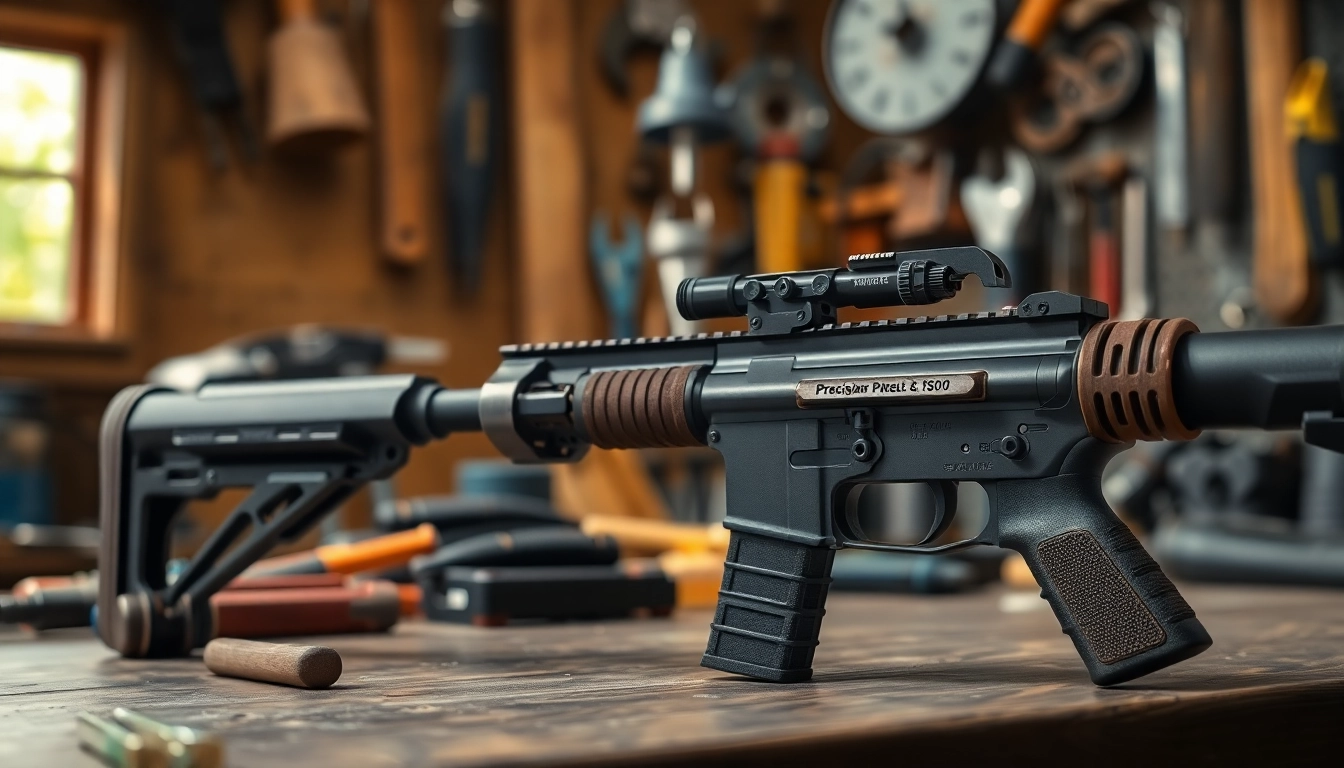
Understanding the Basics of AR 15 Trigger
What is an AR 15 trigger?
The AR 15 trigger is a crucial component of the AR 15 rifle platform that significantly influences shooting performance. This device acts as a mechanism that is released when the shooter squeezes the trigger, allowing for the firing pin to strike the primer of a cartridge, thereby firing the bullet. The quality and design of the trigger can affect the precision, speed, and overall experience of shooting. A well-made AR 15 trigger can improve accuracy while reducing the shooter’s fatigue over long sessions at the range.
Types of AR 15 triggers
There are various types of AR 15 triggers available, and understanding these can help shooters make an informed decision:
- Mil-Spec Triggers: These are standard, often found on factory-built rifles, offering a reliable but basic performance.
- Single-Stage Triggers: These triggers have a direct pull with no noticeable creep before the break, preferred by many for competition shooting.
- Two-Stage Triggers: These offer a two-part pull, allowing for better control over the shot, as the first stage prepares the shooter for the second, decisive pull.
- Drop-In Triggers: Often preferred for their ease of installation, these triggers come pre-assembled and can typically be installed without gunsmithing knowledge.
- Adjustable Triggers: These allow users to modify the trigger pull weight and length, offering personalized adjustments for different shooting styles.
Key features to consider
In choosing the right AR 15 trigger, consider the following features:
- Pull Weight: The amount of force required to pull the trigger; lighter triggers allow for faster shooting but may require more control.
- Travel Length: The distance the trigger moves before firing; shorter travel lengths can facilitate quicker shooting.
- Reset Speed: How quickly the trigger can reset after firing, important for rapid-fire scenarios.
- Material Quality: The materials used in construction affect the durability and smoothness of the trigger pull.
- Finish: Coatings that prevent corrosion and wear can improve the longevity of the trigger.
Choosing the Right AR 15 Trigger for Your Needs
Factors influencing your choice
When selecting an AR 15 trigger, various factors come into play:
- Type of Shooting: Competitive shooters may prefer lighter, more sensitive triggers, while tactical or home defense shooters might favor reliability and a heavier pull.
- Personal Preference: Individual comfort with different pull weights and trigger styles varies greatly; testing triggers is essential.
- Experience Level: New shooters may benefit from standard, mil-spec triggers while more experienced shooters might prefer advanced designs.
- Budget: Triggers come at various price points, so it's important to weigh performance against what you’re willing to spend.
Single-stage vs. Two-stage triggers
The distinction between single-stage and two-stage triggers cannot be overstated as both have their advantages:
- Single-Stage Triggers: These offer a straightforward pull where the mechanics are simple, providing a direct engagement. They are ideal for fast-paced scenarios and instant firing.
- Two-Stage Triggers: This type provides a pre-travel stage that allows shooters a tactile sensation before the final break, allowing them to apply fine control as they aim for precision shots. They are better for shooting precision targets.
Performance considerations
Performance is often determined by how well the trigger meets your shooting needs. Factors include:
- Accuracy: A quality trigger can improve accuracy through a consistent, predictable pull.
- Speed: For competitive scenarios, triggers that reset quickly can facilitate faster follow-up shots.
- Fatigue Reduction: Triggers that are easy to pull can help minimize shooter fatigue during training or competition.
Installation and Maintenance of AR 15 Trigger
Step-by-step installation guide
Installing your AR 15 trigger can be straightforward with proper guidance:
- Ensure you have the right tools: a punch set, hammer, and any specific installation manuals related to your trigger.
- Unload your rifle and ensure it is safe. Begin by field stripping the rifle, removing the upper receiver.
- Remove the original trigger by driving out the pins that hold it in place.
- Carefully install your new trigger by reversing the process of removal, ensuring all components fit snugly.
- Reassemble your rifle, checking the trigger pull and ensuring that it functions properly before live fire testing.
Common installation mistakes
There are a few common pitfalls to avoid during installation:
- Not ensuring the rifle is completely unloaded can lead to accidental discharge.
- Using improper tools can damage components of the trigger or rifle.
- Failing to check all parts for compatibility can result in poor performance.
Maintenance tips for longevity
Maintaining your AR 15 trigger is crucial for longevity and performance:
- Regularly apply a small amount of lubricant to moving parts to reduce wear.
- Periodically inspect for wear and functionality to catch any issues early.
- Clean out any debris or contaminants that could affect the trigger’s performance.
Upgrading Your AR 15 Trigger: When and Why
Signs that you need an upgrade
Upgrading your AR 15 trigger may be necessary if you notice:
- Poor trigger pull quality with heavy, gritty, or inconsistent pulls.
- A trigger that fails to reset properly after firing.
- Firing issues that lead to a drop in accuracy or speed.
Cost vs. benefit analysis
The investment in a higher quality trigger often pays dividends in terms of performance:
- Higher-quality triggers can improve shooting consistency and accuracy.
- Enhanced enjoyment and comfort while shooting can encourage more practice.
- Cost-effective solutions can lead to savings by reducing ammunition waste due to poor accuracy.
Popular upgrade paths
Streamlining your transition to a top-tier trigger can involve:
- Researching various trigger types to identify the one that best suits your shooting style.
- Seeking recommendations from experienced shooters or firearms experts.
- Formulating a budget that accommodates a high-quality trigger without breaking the bank.
FAQs About AR 15 Trigger
What is the best trigger for an AR 15?
The best AR 15 trigger depends on personal preference and intended use. Many shooters prefer options that offer a balance of pull weight, travel, and reset speed.
Are FRT-15 triggers legal now?
As of now, forced-reset triggers are legal under federal law but may be subject to state regulations, which can vary widely.
Is it worth upgrading the AR 15 trigger?
Upgrading to a better trigger can enhance your shooting experience by improving accuracy and reducing fatigue, making it a valuable investment for most shooters.
How do I choose an AR 15 trigger?
Choosing an AR 15 trigger involves evaluating your shooting style, comfort, type of shooting, and budget. Testing various triggers can also help narrow down the best fit.
Can I install an AR 15 trigger myself?
Yes, installing an AR 15 trigger is manageable for most shooters with basic tools and instructions. Following a step-by-step guide can ensure proper installation.