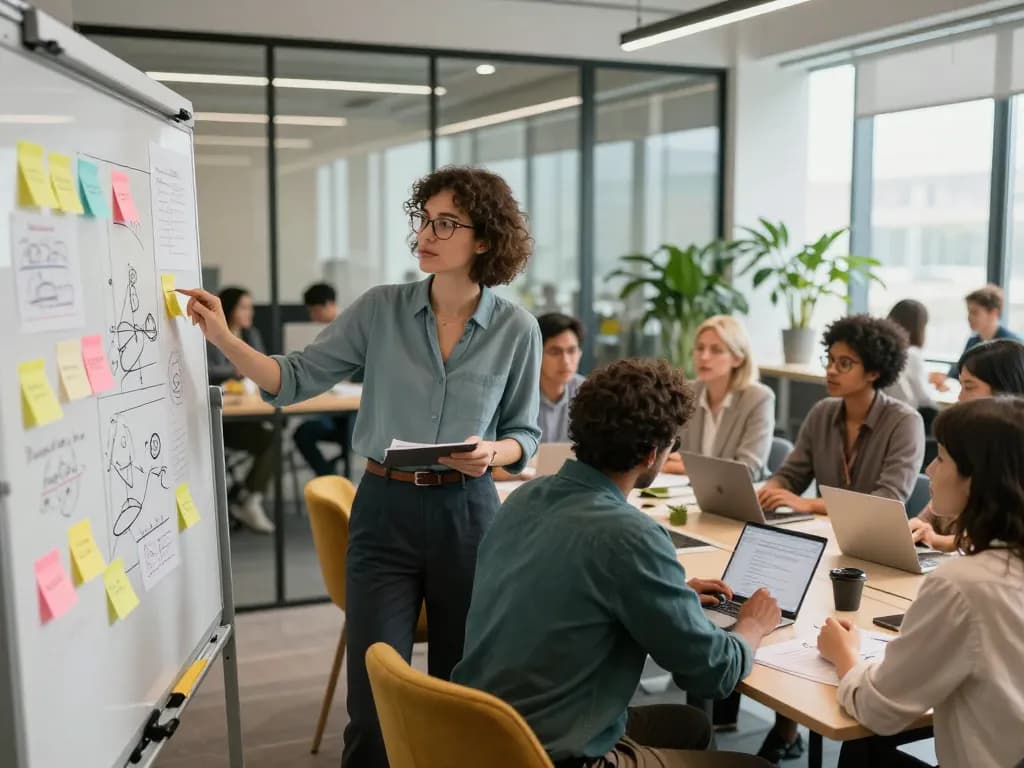
Understanding Mock Interviews
Definition and Purpose of Mock Interviews
Mock interviews serve as a vital practice tool for job seekers, simulating the interview experience in a controlled environment. They are designed to help candidates gain confidence, improve their interview skills, and receive constructive feedback. Essentially, a mock interview replicates a real interview setting, wherein the interviewee is asked typical interview questions by a mock interviewer, who may be a career coach, mentor, or a peer. The primary goal is to prepare candidates to perform at their best when they face actual interviewers.
When participating in mock interviews, candidates can familiarize themselves with the interview process, which often reduces anxiety and enhances performance. This practice is not just about rehearsing responses; it's about learning to articulate thoughts clearly, managing time effectively, and presenting oneself professionally.
Types of Mock Interviews Available
Mock interviews can come in various formats, tailored to suit different needs and scenarios:
- In-Person Mock Interviews: This traditional format consists of face-to-face sessions, allowing direct interaction with the interviewer and an opportunity to practice non-verbal cues and body language.
- Virtual Mock Interviews: Increasingly popular due to the rise of remote work, virtual interviews can be conducted via video conferencing tools, providing flexibility and convenience.
- Peer Mock Interviews: In this format, candidates practice with friends or colleagues, often helping each other improve through shared feedback.
- Professional Coaching: Many candidates opt for sessions with career coaches or experienced interviewers who can provide professional insights and tailored advice.
- AI-Powered Mock Interviews: Leveraging technology, AI platforms simulate real interview environments, complete with feedback and analytics on performance.
The Role of Feedback in Improvement
Feedback is a cornerstone of the mock interview process. Constructive criticism offers valuable insights that can help candidates refine their approach:
- Identifying Weak Points: Feedback can highlight areas where a candidate may be struggling, such as unclear communication or inappropriate body language.
- Reinforcing Strengths: Positive feedback emphasizes what the candidate is doing well, which can boost their confidence and encourage them to replicate successful strategies in future interviews.
- Actionable Suggestions: Detailed critiques provide specific suggestions for improvement, making it easier for candidates to implement changes before their real interviews.
Benefits of Participating in Mock Interviews
Building Confidence Before Real Interviews
One of the primary benefits of mock interviews is the boost in confidence they provide. During a mock interview, candidates can practice clearly articulating their thoughts without the pressure of a high-stakes situation. This rehearsal makes a significant difference in how they feel when it's time for a real interview. The more familiar a candidate is with answering questions smoothly and confidently, the less likely they are to experience anxiety during actual interviews.
Identifying Strengths and Weaknesses
Mock interviews offer an excellent opportunity for self-assessment. Candidates can evaluate their performance through the eyes of the interviewer, which helps them recognize personal strengths (such as quick thinking or ability to form connections) and weaknesses (like technical knowledge gaps or discomfort discussing past experiences). This clarity can significantly enhance their readiness, allowing them to focus their preparation efforts more strategically.
Familiarization with Common Interview Questions
Prepping for interviews often includes a daunting list of common questions. Mock interviews allow candidates to practice their answers to frequently asked questions, such as:
- “Tell me about yourself.”
- “What are your biggest strengths and weaknesses?”
- “Why do you want to work here?”
- “Describe a challenging situation you faced and how you dealt with it.”
Practicing these responses not only equips candidates with answers but trains them to articulate their responses intelligently and engagingly.
How to Prepare for a Mock Interview
Selecting the Right Format and Environment
Choosing the appropriate format for a mock interview is vital. Candidates should consider their comfort level, the nature of the job opportunity they are pursuing, and the availability of resources:
- In-Person: Best for those who thrive on direct communication.
- Virtual: Ideal for tech-savvy individuals or those applying for remote positions.
- Peer Practice: A valuable option if professional coaching isn’t available.
Furthermore, creating a distraction-free environment promotes focus, allowing candidates to immerse themselves fully in the practice.
Researching Common Interview Questions
Preparation includes researching questions tailored to the specific role and industry. Job descriptions can often hint at the competencies employers value, guiding candidates in their research. Websites like FlexJobs offer insights on common questions across various fields. Candidates can prepare structured answers, learning to highlight their experiences as relevant to the inquiries at hand.
Practicing Non-verbal Communication Skills
Non-verbal communication significantly impacts the perception of a candidate during an interview. Candidates should be mindful of their body language, facial expressions, and eye contact. In mock interviews, practicing these elements can enhance a candidate's perceived confidence and professionalism, leading to a more favorable impression during real interviews. Recording mock sessions can provide insights into areas for improvement in non-verbal communication.
Conducting Effective Mock Interviews
Choosing Suitable Mock Interviewers
The choice of a mock interviewer is crucial. Opting for someone with experience in the relevant field can elicit more realistic and insightful feedback. Consider these options:
- Career coaches who specialize in mock interviews.
- Mentors in the industry who understand what employers seek.
- Industry peers who can offer a different perspective.
Setting Up a Realistic Interview Scenario
To gain valuable practice, mock interviews should closely resemble real interview conditions. This includes:
- Using appropriate professional attire that reflects the desired job environment.
- Setting a time limit aligned with typical interview durations.
- Utilizing a structured question set that mirrors what might be faced in real scenarios.
Managing the Interview Time Effectively
Time management during mock interviews helps candidates understand pacing and ensures they cover all areas adequately. Practicing responses to various questions while keeping an eye on the time establishes an effective rhythm. Ensuring that each section of the interview is given its due attention—introduction, core questions, and closing—sets the stage for an overall successful experience.
Evaluating Your Performance Post-Interview
Collecting and Analyzing Feedback
After completing a mock interview, collecting structured feedback is essential. Candidates can request specific information regarding their performance in:
- Response quality: Did they provide clear, relevant answers?
- Engagement level: Were they present and connected throughout the interview?
- Overall impression: What are the strengths and areas for improvement?
Recording feedback in a journal can help candidates track their progress over time.
Implementing Improvements for Future Interviews
Feedback should inform strategies for improvement. Candidates can utilize this information to:
- Revisit questions or themes where they felt uncomfortable.
- Focus on enhancing communication styles, such as clarity and assertiveness.
- Seek additional practice in non-verbal cues and gestures.
Continuous iteration based on feedback solidifies learning and enhances performance in real interviews.
Tracking Progress Over Time
To ensure growth, candidates should establish a system for tracking their mock interview experiences. This could include documenting:
- Types of interviews practiced.
- Questions and scenarios encountered.
- Feedback received and adjustments made.
By compiling this information, candidates can visualize their journey, witnessing tangible growth in their interview skills and readiness.