
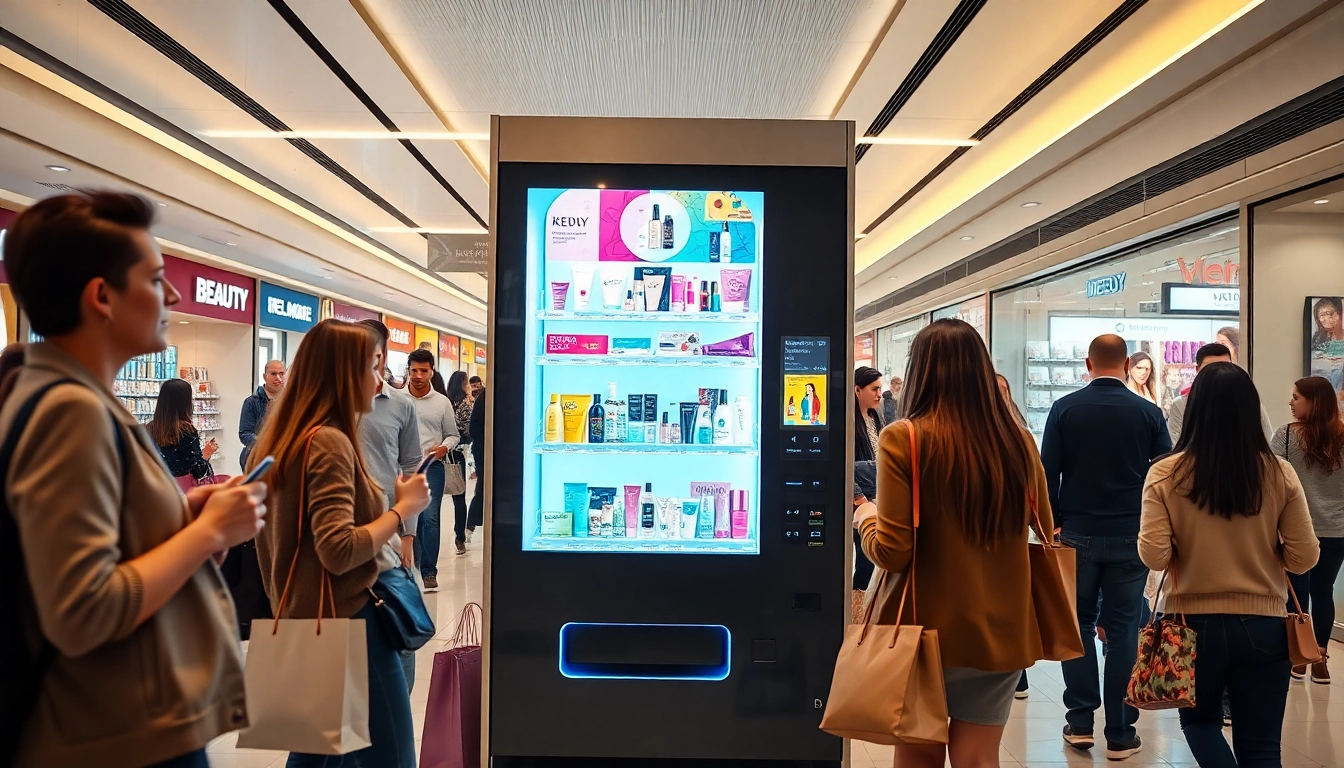
Understanding the Beauty Vending Machine Market
The beauty vending machine market is rapidly evolving, offering consumers convenient access to a variety of beauty and wellness products. With trends shifting towards automation and self-service, these machines are transforming the way beauty products are purchased, especially in high-traffic areas like malls, airports, and gyms. As we progress into 2025, it's essential for entrepreneurs and businesses to understand how to effectively integrate beauty vending machines into their retail strategy. This article will explore current market dynamics, key features, successful cases, challenges, and future predictions for this innovative segment.
Overview of Beauty Vending Machines
Beauty vending machines are automated kiosks designed to dispense a variety of beauty products, ranging from skincare items to cosmetics and personal care essentials. These machines cater to a growing demand for on-the-go shopping experiences, particularly appealing to younger consumers who favor convenience and accessibility. The rise of contactless payments and the trend towards self-service options have set the stage for the mass adoption of beauty vending solutions. These machines typically feature user-friendly interfaces, allowing consumers to browse and purchase items quickly.
Market Trends in 2025
Looking ahead, the beauty vending machine market is expected to witness significant growth. Data from recent market analyses indicates an increasing consumer inclination towards personalized products and experiences, which vending machines can easily facilitate through customization options. Furthermore, advancements in technology such as AI-driven recommendations and touchless payment systems will enhance user interactions, making purchases smoother and more engaging.
Consumer Demand for Beauty Products
The global demand for beauty products remains robust, driven by evolving consumer preferences and increasing awareness about personal grooming. Particularly noteworthy is the rise in demand for eco-friendly and sustainable products. Consumers are increasingly seeking brands that align with their values, particularly those offering cruelty-free and environmentally responsible items. This trend is reshaping the inventory choices for beauty vending machines, encouraging operators to stock products that meet these consumer expectations.
Key Features of Modern Beauty Vending Machines
To stay competitive, modern beauty vending machines must offer an array of features that cater to consumer preferences. These features not only enhance user experience but also increase sales potential through targeted solutions.
Interactive Touch-Screen Technology
Interactive touch-screen technology is a hallmark of contemporary beauty vending machines. This feature allows users to navigate through product categories seamlessly, view detailed information about products, and make informed purchasing decisions. Enhanced user interfaces can also incorporate engaging multimedia elements, such as tutorials and product demonstrations, to further captivate users.
Personalization and Customization Options
Personalization is another critical aspect driving the appeal of beauty vending machines. Operators can program machines to suggest products based on user preferences or past purchases, which not only enhances the shopping experience but also increases customer loyalty. Customization options may include tailored product selections based on regional demographics or seasonal trends, ensuring that the offering remains relevant and desirable.
Payment Systems and User Experience
Modern beauty vending machines support various payment systems, including credit cards, mobile wallets, and even cryptocurrency. This multi-faceted approach not only caters to diverse consumer preferences but also streamlines the purchasing process. Moreover, implementing user-friendly designs that facilitate quick transactions is vital for maximizing sales, especially in high-footfall environments.
Successful Case Studies in Beauty Vending
Examining successful implementations of beauty vending machines provides actionable insights for potential investors and operators. These case studies illustrate effective strategies and highlight the positive impacts on retail environments.
Analysis of Top Performing Machines
One notable success story is that of a beauty vending machine chain that integrates AR (augmented reality) to allow customers to virtually try on makeup products before purchasing. This innovative approach has led to increased customer engagement and significantly higher sales conversion rates compared to traditional vending machines.
Impact on Retail Locations
Beauty vending machines have proven to enhance retail locations by attracting a diverse demographic. For instance, placing these machines in gyms has led to a marked increase in sales of skincare and haircare products, as fitness enthusiasts often seek convenient solutions for their post-workout routines. Furthermore, such placements can drive foot traffic to surrounding businesses, benefiting the local economy.
Consumer Feedback and Adaptation
Feedback from consumers is pivotal for the continuous improvement of beauty vending machines. Operators who actively solicit and respond to customer insights tend to see greater customer satisfaction and retention. Adapting offerings based on real-time sales data and consumer preferences fosters a responsive business model that can thrive in changing market conditions.
Challenges in the Beauty Vending Machine Industry
Despite the promising growth of beauty vending machines, several challenges remain that operators must navigate to ensure success.
Operational and Maintenance Issues
Maintenance of vending machines is critical but can pose challenges, especially in busy locations. Frequent restocking, technical issues, and the need for regular cleaning can detract from operational efficiency. Investing in reliable technology and setting up a routine maintenance schedule can mitigate these issues.
Market Saturation and Competition
The beauty vending machine market is becoming increasingly saturated, leading to fierce competition. Operators must differentiate their offerings through unique products, superior customer service, and innovative technology. Conducting thorough market research prior to launching a vending machine can help identify niche opportunities and reduce the risk of being outperformed by competitors.
Regulatory Compliance Considerations
Regulatory compliance is another critical factor that beauty vending machine operators need to consider. This is particularly important when offering certain products, such as cosmetics and skincare, which may be subject to health regulations. Ensuring all products comply with relevant safety and labeling requirements is essential to maintain trust and avoid legal complications.
Future Predictions for Beauty Vending Machines
As technology continues to evolve, so too will the beauty vending machine sector. Here are some predictions for the future of this vibrant industry.
Emerging Technologies to Watch
Emerging technologies such as AI, machine learning, and IoT (Internet of Things) are set to redefine the beauty vending experience. AI can help personalize product recommendations, while IoT can enable real-time inventory management, ensuring machines are always stocked with popular products.
Potential Market Expansions
The potential for market expansion is significant as beauty vending machines can be deployed in non-traditional retail environments, such as hotels, airports, and even corporate offices. These strategic placements can capture untapped markets and provide convenience for busy professionals and travelers alike.
Sustainability Trends in Vending Machines
Lastly, sustainability will be a dominant trend influencing the future of beauty vending machines. Operators are increasingly expected to offer eco-friendly product options and machines that utilize sustainable materials. Building a business model that prioritizes sustainability can enhance brand reputation and appeal to environmentally-conscious consumers.