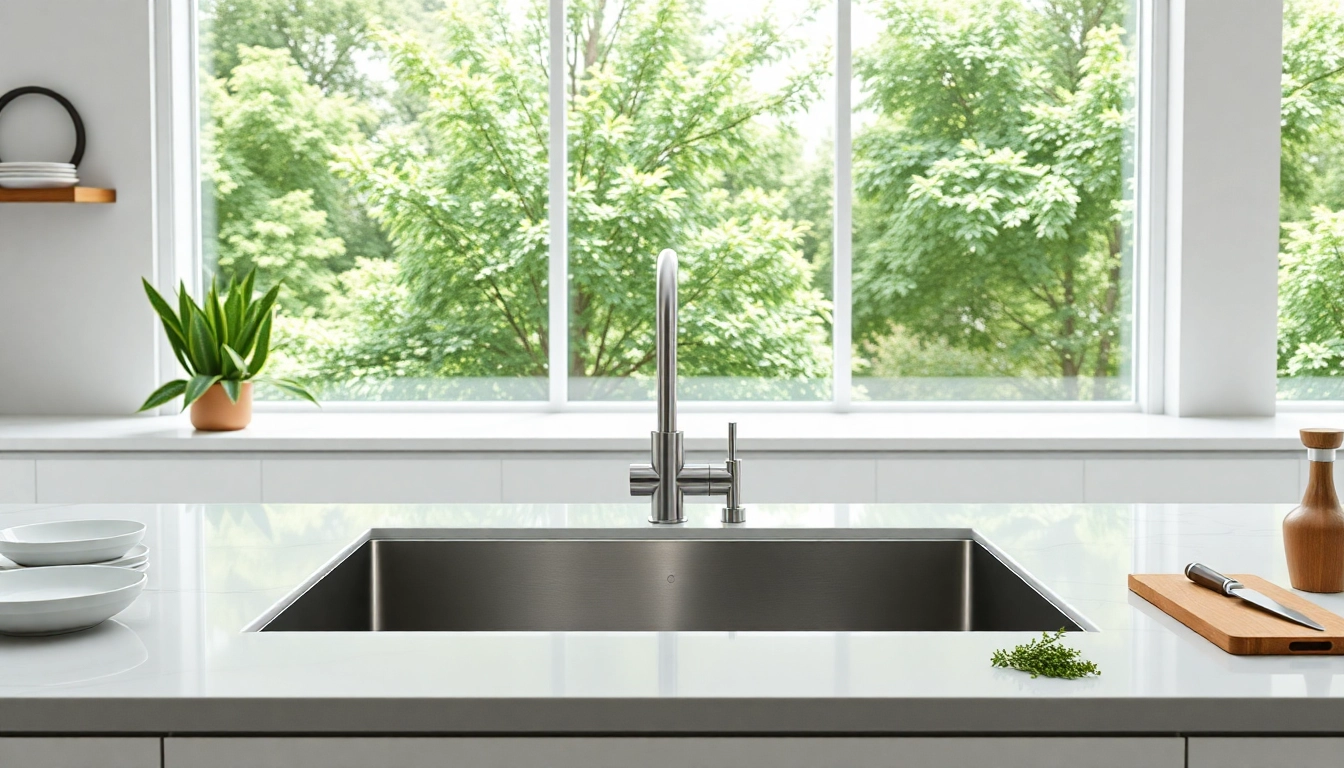
Understanding the Benefits of Kitchen Sink in Stainless Steel
The kitchen sink in stainless steel is quickly becoming a staple in modern homes, favored for its unique combination of durability, style, and functionality. As homeowners prioritize both form and function in their kitchens, understanding the benefits of this material is essential. Let's delve into the top advantages that make stainless steel sinks a go-to choice for many.
Durability and Maintenance
One of the primary benefits of a kitchen sink in stainless steel is its exceptional durability. Made from a mixture of steel and chromium, stainless steel sinks are resistant to rust and corrosion, making them ideal for the frequently moist and messy kitchen environment. With proper care, these sinks can withstand significant wear and tear over time, which further extends their lifespan.
Maintenance is equally straightforward. Unlike other materials that may require special cleaning solutions or treatments, stainless steel can be easily cleaned with mild soap and water. A soft cloth or sponge is usually enough to lift stains and keep the sink shining without scratching the surface. The ease of maintenance is a significant factor for busy homeowners who may not have time for extensive cleaning routines.
Aesthetic Appeal
In addition to practicality, a kitchen sink in stainless steel offers a sleek, contemporary aesthetic that complements various kitchen designs, from modern to traditional. The metallic finish can work harmoniously with stainless steel appliances, creating a cohesive look that enhances the overall kitchen design.
Furthermore, stainless steel can be polished to achieve different levels of sheen, providing homeowners with various aesthetic options. Whether you prefer a matte or glossy finish, a stainless steel sink can be tailored to fit your personal style, thus enhancing the overall ambiance of your kitchen.
Versatility in Design
Stainless steel sinks come in a variety of styles, sizes, and configurations, offering versatility that caters to different kitchen layouts and personal preferences. From undermount and top mount to farmhouse designs, there’s a stainless steel sink for every homeowner’s needs. This variety ensures that regardless of the kitchen style, a suitable option is always available.
Furthermore, the lightweight nature of stainless steel makes it easier to install compared to heavier materials like granite or cast iron. This ease of handling can be especially beneficial for DIY enthusiasts who want to install their sinks without professional assistance.
Key Features to Consider in Kitchen Sink in Stainless Steel
Size and Configuration
The size and configuration of your kitchen sink in stainless steel are crucial factors that can impact functionality. Common sizes vary from single-basin to multi-basin designs. For homeowners who frequently wash large pots and pans, a larger single-basin sink may be more practical, while families may benefit from a double-basin sink for multitasking.
Moreover, it's essential to measure the available space in your kitchen to ensure a proper fit. Consider the depth of the sink as deeper sinks can help contain splashes, making cleanup easier while washing dishes.
Installation Types
When it comes to installation, there are three primary types of kitchen sinks to consider: undermount, drop-in, and farmhouse. Undermount sinks offer a seamless appearance and are often easier to clean since there’s no rim to trap grime. Drop-in sinks, on the other hand, are easier to install as they simply drop into the countertop cutout. Farmhouse sinks, characterized by their deep basins and visible front, have gained popularity for their rustic charm.
Choosing the right installation type will depend on your kitchen’s design, your personal style, and how hands-on you want to be with the installation process.
Finishes and Styles
Stainless steel sinks come in various finishes, including brushed, polished, and satin. A brushed finish tends to hide scratches better and is often preferred for its subtle appearance. On the other hand, a polished finish provides a high-shine look that can enhance the luxury of your kitchen but may require more upkeep to maintain its flawless appearance.
In addition to finishes, different styles of sinks, such as those with rounded corners or square edges, can fit within the kitchen's broader aesthetic. Take time to explore these options to select a sink that not only meets functional requirements but also speaks to your personal style.
Comparing Kitchen Sink in Stainless Steel with Other Materials
Granite Sinks
Granite sinks are a popular option known for their durability and aesthetic appeal. However, they can be significantly heavier than stainless steel and may require more complex installation. Additionally, while granite offers a variety of colors and finishes, it is porous, making it susceptible to staining if not properly sealed. In contrast, a kitchen sink in stainless steel is not vulnerable to staining and requires less maintenance.
Composite Sinks
Composite sinks, made from a blend of acrylic and quartz, provide the look of stone while being lighter than full granite sinks. However, they can scratch more easily and are not as heat-resistant as stainless steel options. Furthermore, while composite sinks offer a unique aesthetic with various color options, they generally lack the sleek and modern appeal of stainless steel sinks. A kitchen sink in stainless steel, particularly with a brushed finish, can resist scratches and maintain its appearance far longer.
Porcelain Sinks
Porcelain sinks have an elegant finish that many homeowners appreciate. Unfortunately, they can chip and crack under heavy pressure or impact, which makes them less durable than stainless steel options. Moreover, porcelain requires more detailed cleaning to avoid scratches, which can dull its shiny surface over time. A kitchen sink in stainless steel maintains a high level of durability while being easier to care for, making it a favored choice in high-traffic kitchens.
Installation Tips for Kitchen Sink in Stainless Steel
Preparation and Tools Needed
Installing a kitchen sink in stainless steel can be a rewarding DIY project if you have the right tools and preparation. Tools typically required include a basin wrench, plumber’s putty, silicone sealant, and a level. Additionally, ensure you have a clean workspace to keep the process smooth and efficient.
Before you begin installation, read through the specific instructions provided by the manufacturer for your chosen sink model. Also, prepare the countertops by measuring and marking where the sink will be installed to ensure accuracy.
Step-by-Step Installation Guide
1. Remove the Old Sink: If replacing an existing sink, disconnect the plumbing and remove it carefully.
2. Prepare the Countertop: Clean the area and ensure it’s flat. Mark the location of the new sink for precise installation.
3. Install the Faucet and Drain: It can be easier to install your faucet and drain prior to placing the sink into the countertop.
4. Set the Sink: Place the sink onto the prepared area. Ensure it is level and adjust as needed.
5. Seal the Edges: Use silicone sealant around the edges to prevent water from leaking into the cabinetry below.
6. Reconnect Plumbing: Reconnect the plumbing to the new sink, ensuring there are no leaks.
7. Test for Leaks: Once reconnected, turn on the water supply and check for any leaks around the connections.
Common Mistakes to Avoid
One common mistake is mismeasuring the sink cutout, leading to an ill-fitting installation. Another error is neglecting to level the sink, which can result in water pooling in certain areas. Be prepared to work carefully, taking accurate measurements, and ensuring proper alignment to avoid these issues. It’s advisable to have a second set of hands during installation to streamline the process.
FAQs About Kitchen Sink in Stainless Steel
What is the best way to clean a kitchen sink in stainless steel?
Use a soft cloth with mild soap and water. Avoid abrasive cleaners that can scratch the surface.
How long does a kitchen sink in stainless steel last?
With proper care, a stainless steel sink can last a lifetime, resisting rust and corroding.
Are kitchen sinks in stainless steel more expensive?
They can be pricier than other materials, but their durability and longevity often justify the cost.
What gauge is best for kitchen sink in stainless steel?
A 16-gauge stainless steel is typically recommended for its strength and resistance to dents.
Can kitchen sinks in stainless steel rust?
While stainless steel is rust-resistant, it can rust if exposed to harsh chemicals or not properly maintained.