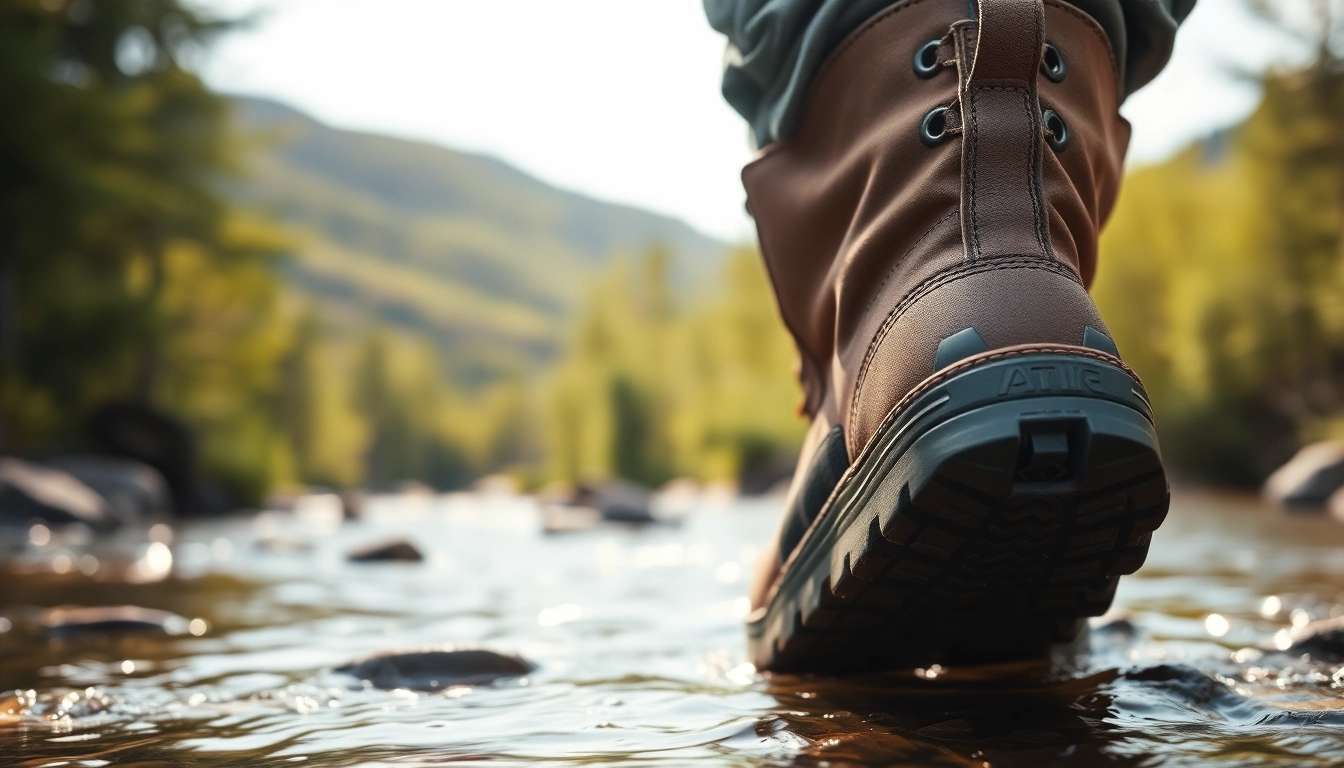
Understanding the Importance of Fly Fishing Boots
When venturing into the world of fly fishing, having the right gear is crucial for a successful outing. Among the most essential items that an angler must invest in are Fly fishing boots. These specialized boots not only protect your feet but are engineered to provide necessary traction and comfort while navigating slippery riverbeds and rugged terrains. However, not all fly fishing boots are created equal, and understanding their importance is vital for both novice and experienced anglers alike.
Why Quality Matters in Fly Fishing Boots
Quality in fly fishing boots isn't just about aesthetics; it affects your performance on the water. High-quality boots are constructed with durable materials that withstand various environmental conditions, from rocky riverbeds to muddy banks. Investing in superior boots can reduce the risk of injury from slips and falls, which are common risks when wading through streams or rivers. Moreover, quality boots ensure that your feet remain dry and comfortable, allowing you to focus on your fishing techniques rather than discomfort or the elements.
The Role of Comfort in Long Fishing Days
Comfort should never be overlooked when selecting fly fishing boots. Days spent casting on the water can stretch into long hours, and boots that cause discomfort can ruin an otherwise enjoyable experience. Features like cushioned insoles, adequate ankle support, and moisture-wicking materials contribute significantly to your overall comfort. A well-fitted pair of boots will help prevent fatigue, enabling you to enjoy longer and more productive fishing sessions without distraction.
Analyzing Different Types of Fly Fishing Boots
There are various types of fly fishing boots available, and the right type largely depends on the fishing environment. Wading boots often feature two main sole types: felt and rubber. Felt soles offer superior grip on slippery surfaces, making them ideal for freshwater rivers. Rubber soles, on the other hand, provide durability and versatility across various terrains. Additionally, some boots come equipped with features like interchangeable soles for customization depending on the conditions of the water and shore.
Key Features to Look for in Fly Fishing Boots
When shopping for fly fishing boots, it's essential to consider several key features that can influence performance and comfort on the water.
Traction and Stability in Various Conditions
Traction is arguably the most critical characteristic of fly fishing boots. The right traction can save you from potentially dangerous slips and falls. Depending on the water conditions, you may need a boot that features either rubber or felt soles. Rubber soles typically perform well on rocky surfaces, providing good traction and durability, while felt soles excel on slick and slippery surfaces. Furthermore, well-designed lugs or patterns on the sole can enhance grip even on uneven and wet terrain.
Waterproofing and Breathability Explained
Another vital feature is the combination of waterproofing and breathability. Waterproof boots keep your feet dry while allowing moisture from perspiration to escape. This is crucial for comfort on warm days or during extended periods of use. Look for boots made from breathable materials, such as Gore-Tex or similarly engineered fabrics, which keep water out while allowing air circulation inside the boot. This balance ensures that your feet stay dry and comfortable, regardless of the fishing conditions.
Weight and Durability Comparisons
The weight of your fly fishing boots can also affect your performance. Lightweight boots allow for easier movement and less fatigue during long days on the water. However, while weight is important, durability should not be compromised. Quality materials that resist wear and tear are essential for ensuring the longevity of your boots. Always look for features such as reinforced toe caps and puncture-resistant materials as standard in durable models.
Top Materials Used in Fly Fishing Boots
Understanding the materials used in fly fishing boots can help you make a more informed purchase.
Felt vs. Rubber Sole Performance
Felt soles have long been favored for their unparalleled grip on slippery rocks. They adapt well to varying water conditions and textures. However, they are less effective on dry land, making them unsuitable for long hikes. Rubber soles, in contrast, offer versatility and stability, particularly in rocky areas where you may also navigate dry surfaces. Some modern boots feature interchangeable sole designs, allowing you to switch according to the fishing environment.
Benefits of Synthetic vs. Leather Options
When it comes to the upper materials of fly fishing boots, both synthetic and leather options come with their respective benefits. Synthetic boots are often lighter, more affordable, and typically dry faster than leather. However, leather boots generally offer superior durability and comfort as they mold to your feet over time. However, regular maintenance is required to ensure longevity. Choosing between these materials often depends on personal preference and fishing conditions.
Easy Maintenance Tips for Longevity
Proper care can significantly extend the life of your fly fishing boots. Rinse them off after each use to remove any dirt or debris, which can cause wear. Allow them to air dry away from direct sunlight to avoid damaging the material. Some anglers also use waterproofing sprays or treatments to maintain their boots' protective qualities. Regular inspection for signs of wear will allow you to address any issues promptly, ensuring your boots are always ready for the next adventure.
Choosing the Right Fit for Your Fly Fishing Boots
A great pair of fly fishing boots is only effective if they fit well. Taking the time to find the correct fit can make all the difference in your fishing experience.
Measuring Your Foot Size Correctly
To find the right size, start by measuring your foot at the end of the day when it's most swollen. Use a ruler or a measuring tape to determine the length and width of your foot. Most boot manufacturers provide sizing charts that correlate your measurements with their sizes. If you are between sizes, it’s typically advisable to opt for the larger size for better comfort.
Understanding Width and Depth Options
Manufacturers often provide width sizing options, from narrow to extra wide, as well as depth of cut. If you have wide feet or high arches, make sure to choose boots that accommodate those features to avoid discomfort and blisters. The height of the boot shaft may also influence your fit and comfort, especially when navigating deeper waters.
Testing the Fit: What to Look For
When trying on fly fishing boots, assess for snugness without tightness. Your toes should have a little space to wiggle, but your heel should not lift when you take a step. Testing the boots in-store on different surfaces can provide insight into their grip and comfort level. Remember to wear the same type of socks you'll use while fishing during this fitting process to ensure the best outcome.
Frequently Asked Questions About Fly Fishing Boots
What kind of boots do you wear when fly fishing?
While fly fishing, it is recommended to use specialized wading boots designed for traction on wet and slippery surfaces, providing safety and comfort.
What are the best fly fishing boots?
The top options typically feature good traction, comfort, and durability suitable for various fishing environments, ensuring safety while on the water.
How do you care for fly fishing boots?
After each use, rinse your boots with fresh water, allow them to dry away from sunlight, and apply waterproofing treatments periodically to maintain their condition.
Are there women's specific fly fishing boots?
Yes, many brands produce women-specific models designed with fit and comfort considerations tailored to female anglers.
Can I wear regular boots for fly fishing?
While regular boots can be worn, they may not provide the necessary grip and support, making dedicated fly fishing boots the better option for safety and performance.