Understanding Cast Iron Cookware NZ
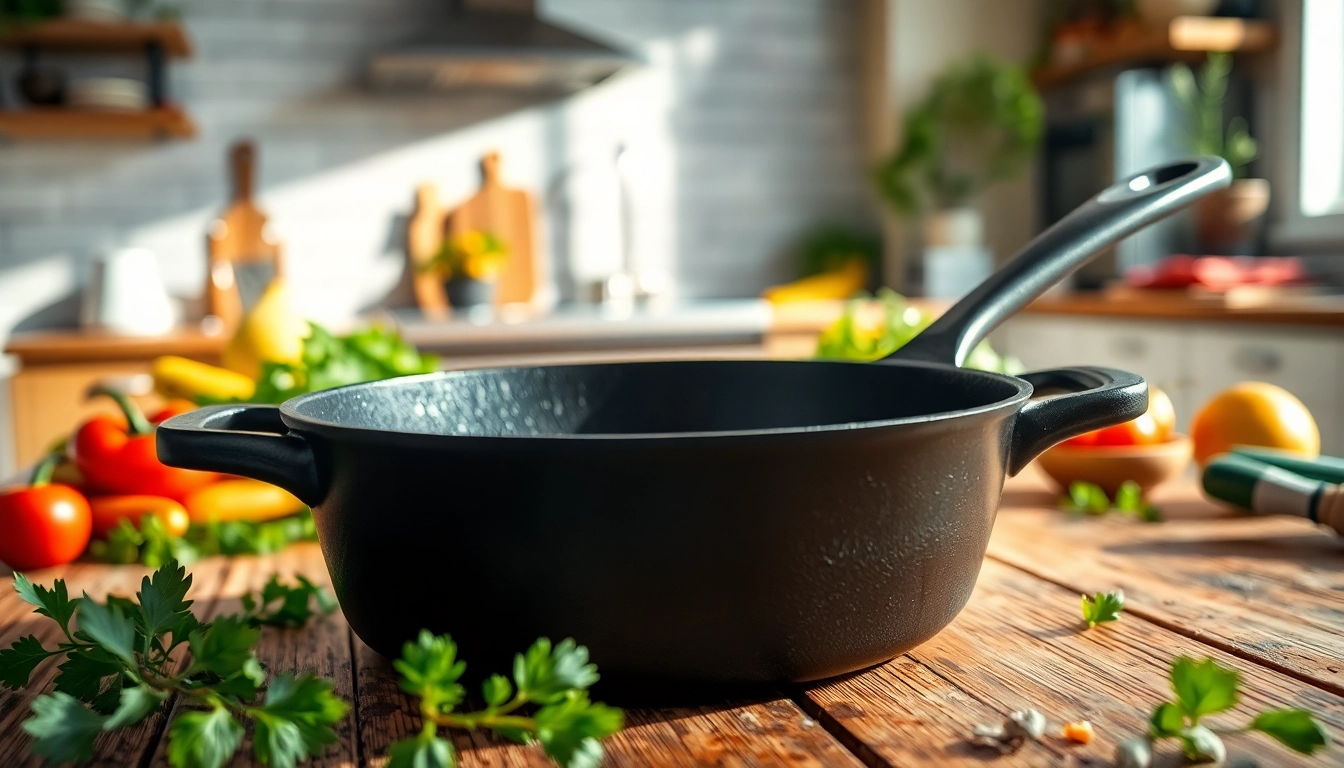
Cast iron cookware has earned a special place in the hearts of chefs, home cooks, and food enthusiasts alike, particularly in New Zealand. This enduring kitchen staple not only stands out for its classic aesthetic but also its unrivaled cooking performance. The ability to retain heat, distribute it evenly, and enhance flavors has made cast iron cookware beloved in kitchens worldwide. If you're intrigued by the many aspects of cast iron cookware NZ, this comprehensive guide will explore everything you need to know about selecting, using, and maintaining these timeless kitchen tools.
What Makes Cast Iron Unique?
Cast iron cookware is distinguished by its heavy construction and excellent heat retention capabilities. Made from molten iron, it is poured into molds and allowed to cool, resulting in a robust yet manageable cooking vessel. One of the most exceptional properties of cast iron is its ability to become naturally non-stick over time, provided it is seasoned properly. This process involves coating the cookware with a layer of fat and then heating it, creating a polymerized surface that enhances both its cooking performance and ease of use.
Benefits of Using Cast Iron Cookware NZ
The benefits of cast iron cookware are numerous, making it a preferred choice for both novice and seasoned cooks:
- Durability: Cast iron is incredibly durable and, when cared for properly, can last for generations.
- Versatility: Suitable for use on the stovetop, in the oven, and even over an open fire, making it perfect for various cooking methods.
- Excellent Heat Retention: Provides even heating for consistent cooking results, minimizing hot spots.
- Health Benefits: Cooking with cast iron can increase dietary iron intake, benefiting those with deficiencies.
- Flavor Enhancement: Many chefs believe that food cooked in cast iron can develop better flavors due to its seasoning characteristics.
Common Uses in Everyday Cooking
Cast iron cookware is versatile enough for a wide range of cooking tasks, from searing meats to baking goods. Below are some common uses:
- Searing Meats: The high heat retention allows for perfect searing, locking in flavors.
- Baking: Cast iron skillets are ideal for baking cornbread and other desserts, providing a crispy crust.
- Stir-frying: While not a typical use, seasoned cast iron can work well for high-heat stir-frying.
- Slow Cooking: Dutch ovens allow for fantastic braising, stews, and casseroles.
Selecting the Right Cast Iron Cookware NZ
Whether you’re starting a collection or seeking to add to your existing pieces, selecting the right cast iron cookware involves considering various factors. Here’s what to keep in mind:
Types of Cast Iron Cookware to Consider
There are a variety of cast iron cookware pieces available, each serving different functions:
- Skillets: Perfect for frying, sautéing, and baking.
- Dutch Ovens: Great for soups, stews, and braising.
- Griddles: Excellent for pancakes and grilling.
- Pie Pans: Ideal for baking, enabling even heat distribution for desserts.
Key Features to Look For
When choosing cast iron cookware, certain features can make a big difference:
- Weight: Heavier pieces tend to retain heat better.
- Handle Design: Look for comfortable, heat-resistant handles for ease of use.
- Pre-seasoning: Some cookware comes pre-seasoned, saving you time.
- Quality of Finish: Smooth surfaces are easier to clean and season effectively.
Comparing Prices and Quality
Cast iron cookware can vary widely in price. It’s crucial to evaluate the quality of each piece against its cost:
- Investment Value: Consider it a long-term investment in your cooking.
- Brand Reputation: Research brands known for their quality and customer satisfaction.
- Customer Reviews: Feedback from other users can provide invaluable insights.
Maintaining Your Cast Iron Cookware NZ
Proper maintenance of cast iron cookware is essential for preserving its lifespan and cooking performance. Here are best practices to follow:
Seasoning Your Cast Iron Cookware
Seasoning is the process of applying oil to the surface of the cookware and baking it. Here are some tips:
- Clean: Start with a clean pan; remove any rust or old seasoning.
- Apply Oil: Use a neutral oil and rub a thin layer onto the entire surface.
- Heat: Place the cookware upside down in a preheated oven at a high temperature for about an hour.
Cleaning and Care Tips
Cleaning cast iron might seem daunting, but it’s straightforward:
- Use Hot Water: Rinse with hot water immediately after use; avoid soap.
- Scrub with a Brush: For stuck-on food, use a stiff brush or non-metal scrubber.
- Dry Immediately: To prevent rust, dry the cookware promptly.
- Re-oil: After cleaning, apply a small amount of oil to the surface.
Long-Term Storage Solutions
Storing cast iron cookware correctly is key to maintaining its condition:
- Store in a Dry Place: Avoid moisture to prevent rust.
- Place Paper Towels Between Pans: If stacking, use paper towels to absorb moisture.
- Keep it Seasoned: Re-season periodically to maintain its non-stick surface.
Cooking Techniques for Cast Iron Cookware NZ
Utilizing cast iron cookware effectively requires knowledge of specific cooking techniques:
Stovetop to Oven Cooking
One of the benefits of cast iron cookware is its ability to seamlessly transition from stovetop to oven. Here’s how to master this technique:
- Start on the Stovetop: Sear or sautée ingredients in the cookware on the stovetop.
- Transfer to the Oven: Place the entire cookware in the oven to finish cooking.
Mastering Heat Control
Heat control is crucial for successful cooking with cast iron. Here are tips to help:
- Gradual Heating: Increase heat slowly to prevent cracking.
- Monitor Temperature: Use an infrared thermometer to get accurate heat readings.
- Adjust Cooking Times: Cast iron retains heat, which may affect cooking duration.
Recipes Perfect for Cast Iron
Incorporating cast iron into your cooking can elevate your dishes. Here are some recommended recipes:
- Skillet Cornbread: Perfectly moist with a crispy crust, baked right in the skillet.
- One-Pan Frittata: A hearty breakfast option that cooks evenly.
- Beef Stroganoff: Ideal for hearty stews or braises, enhanced by even heat.
Frequently Asked Questions about Cast Iron Cookware NZ
What should I avoid cooking in cast iron?
Avoid cooking acidic foods like tomatoes for extended periods, as they can strip the seasoning.
Can I use metal utensils on cast iron cookware?
Yes, metal utensils can be used, but gentle options are recommended to protect the seasoning layer.
How do I restore an old cast iron skillet?
Clean with steel wool to remove rust, then re-season with oil in a hot oven to rebuild the non-stick surface.
What’s the best way to season my cast iron cookware?
Clean the cookware, apply a thin layer of vegetable oil, and bake upside down at a high temperature for an hour.
Is cast iron cookware safe for all types of stovetops?
Yes, cast iron cookware is compatible with all stovetop types, including induction, which requires ferrous materials.