Understanding the Role of a Videographer
The craft of videography is an essential component of the modern visual communication landscape. As visual storytellers, Videographers bring concepts to life, capturing moments that convey emotions, messages, and narratives. Their work spans various domains, from weddings and corporate events to documentaries and promotional videos. Let’s delve into the critical aspects that define the role of a videographer.
Defining Videographer’s Duties
A videographer’s responsibilities are multifaceted and can vary greatly depending on the project at hand. At the core, videographers are tasked with capturing high-quality video footage. This involves several key tasks:
- Pre-Production Planning: This phase involves meetings with clients to understand their vision, storyboarding, and planning shoot locations.
- Shooting: Videographers are responsible for operating cameras, selecting lenses, and managing the shooting process to ensure the footage captures the intended story and emotions.
- Post-Production: After shooting, the footage needs to be edited. Videographers use various software to cut and assemble video, add effects, and create a final product that aligns with the client’s goals.
- Client Interaction: Throughout the process, videographers engage with clients to provide updates and understand feedback to ensure the delivery aligns with expectations.
Key Skills and Qualifications
A successful videographer should possess a diverse set of skills and qualifications. While a degree in film production or a related field is beneficial, hands-on experience can often be just as valuable. Essential skills include:
- Technical Proficiency: An understanding of camera technology, lenses, and various filming techniques is critical.
- Creativity: The ability to craft compelling narratives and visually engaging compositions sets top videographers apart.
- Communication: Strong interpersonal skills facilitate better collaboration with clients, cast, and crew, which is essential for successful video production.
- Problem-Solving: The unpredictable nature of working on set often demands quick thinking and adaptability.
Essential Equipment for Videographers
The right equipment can make a substantial difference in the quality of a videographer’s work. Essential tools include:
- Cameras: A high-quality camera is the cornerstone of videography. Many videographers invest in DSLRs or mirrorless cameras that offer versatility and excellent video quality.
- Stabilization Gear: Equipment such as gimbals and steadicams are crucial for achieving smooth, stabilized shots.
- Microphones: Audio quality is just as important as video. High-quality microphones, whether shotgun or lavalier, enhance audio clarity.
- Editing Software: Proficient use of editing software like Adobe Premiere Pro or Final Cut Pro is essential for crafting the final product.
Videography Techniques for Stunning Visuals
Having a firm grasp of videography techniques not only improves the quality of the final product but also enhances storytelling. Here are critical techniques for creating stunning visuals.
Framing and Composition Basics
Understanding how to frame and compose shots is vital for any videographer. Good composition enhances the video’s aesthetic appeal and aids in storytelling. The following principles can guide effective composition:
- Rule of Thirds: This technique divides the frame into thirds, helping to position subjects at the intersection points for better balance.
- Leading Lines: Utilize natural lines within the environment to guide viewers’ eyes to the main subject.
- Depth: Create layers within the frame using foreground, midground, and background elements to enhance dimensionality.
Lighting Techniques in Videography
Lighting plays a crucial role in video production. Good lighting can set the tone, convey mood, and highlight subjects effectively. Here are some lighting techniques:
- Natural Lighting: Utilizing sunlight can create beautiful, soft lighting, particularly during the golden hour when shadows and hues are more favorable.
- Three-Point Lighting: This classic setup includes key light, fill light, and backlight to create a balanced and professional appearance.
- Creative Lighting: Experimenting with colored gels, dimmers, and practical lights can add a unique flair to your videography.
Editing Tips for Pro-Level Final Cuts
The editing stage can elevate a videographer’s work from average to extraordinary. Professional video editing includes:
- Consistency: Maintaining consistent color grading and styles throughout the video fosters a cohesive look.
- Audio Editing: Ensure dialogue and sound effects are balanced. Use audio fades to create smoother transitions.
- Telling a Story: Edit footage in a way that enhances the narrative arc. Preserve pacing and rhythm to keep the audience engaged.
Exploring Different Videography Styles
Each videography project can have a unique style that dictates how the final product feels. Here are several popular styles of videography:
Event Videography vs. Documentary Style
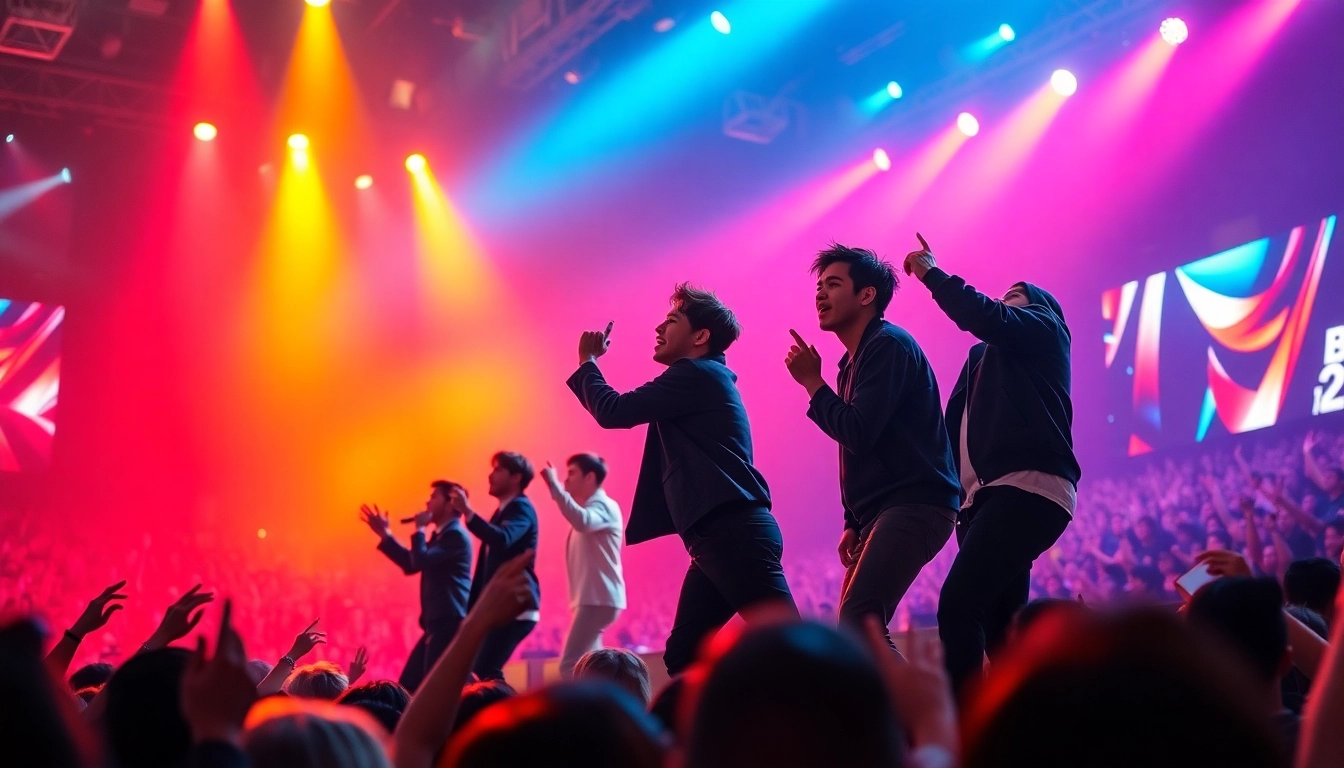
Event videography focuses on capturing live events as they unfold, emphasizing key moments, emotions, and interactions. In contrast, documentary style emphasizes storytelling, often involving interviews, research, and a more narrative-driven approach.
Creative Approaches to Wedding Videography
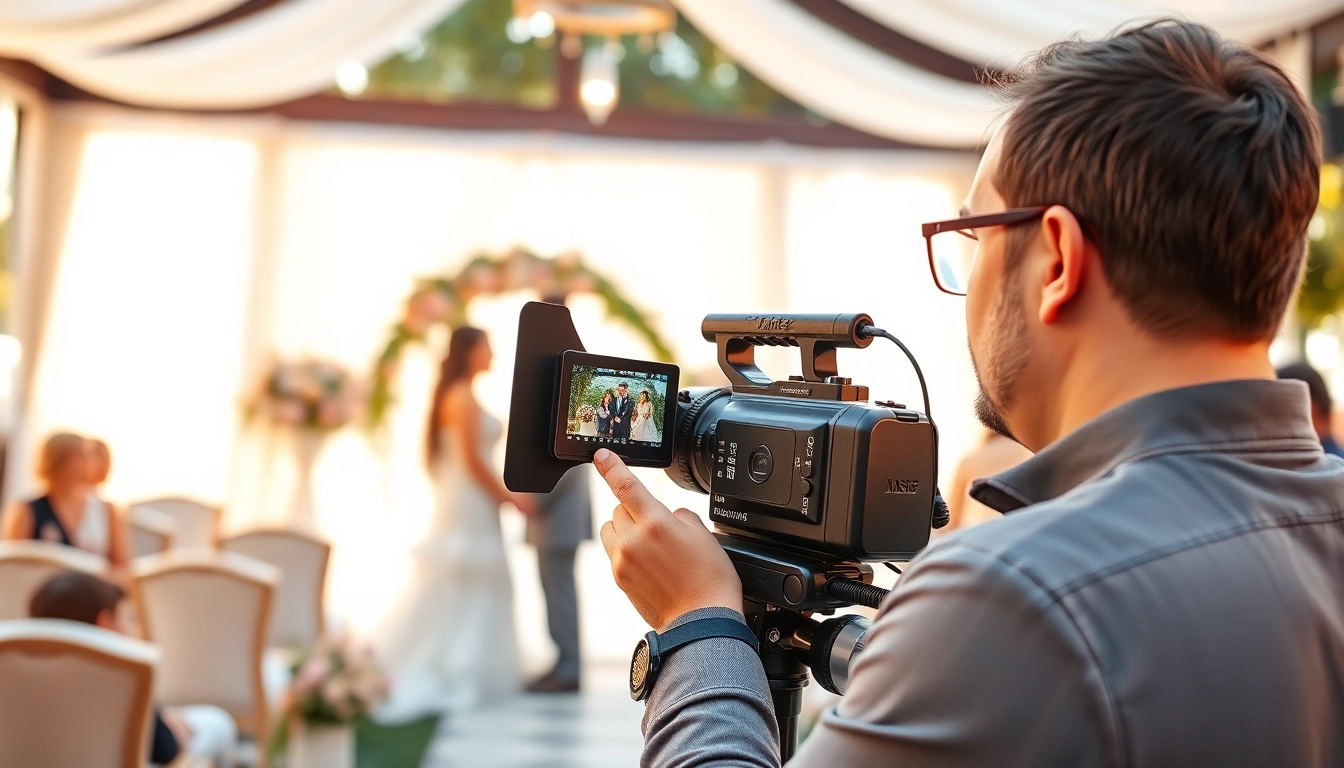
Wedding videographers utilize various creative techniques to document the couple’s unique story. Incorporating cinematic techniques, such as drone shots or time-lapses, can add a magical touch to wedding videos. A fusion of storytelling, emotion, and artistry is essential for capturing the beauty of such a significant day.
Brand Storytelling through Corporate Videography
Corporate videography harnesses the power of video to deliver brand messages. By telling a company’s story, showcasing its culture, and displaying its products, videographers help businesses connect deeper with their audience. This style often includes testimonials, brand videos, and promotional content designed to elevate a company’s image.
Building Your Videographer Portfolio
A strong portfolio is vital for any videographer aiming to attract clients. It showcases skills, creativity, and the ability to deliver results. Here’s how to effectively build a standout portfolio:
Choosing Projects that Showcase Your Skills
Select projects that not only reflect your expertise but also resonate with potential clients. Opt for diverse projects to demonstrate versatility, whether through wedding films, corporate videos, or artistic short films. Quality matters more than quantity; focus on work that exemplifies your style and strengths.
Online Platforms for Portfolio Display
Several online platforms can effectively showcase your work:
- Personal Website: A dedicated website allows for greater customization and branding opportunities.
- Video Sharing Sites: Platforms like Vimeo offer higher quality and a more engaged community of filmmakers.
- Social Media: Use social media channels to share snippets of your work and connect with a broader audience, leveraging hashtags to target your ideal clients.
Networking and Collaboration Opportunities
Networking is crucial for any videographer, as it can lead to new opportunities and collaborations. Attend industry events, join online forums, and engage with other professionals to forge connections. Collaborating on projects can provide fresh insights, improve skills, and expand your network.
The Future of Videography Trends
The videography landscape is continually evolving. Staying informed about upcoming trends is vital for adapting and remaining competitive. Here are the next waves of change:
Adapting to New Technologies
Emerging technologies such as 360-degree cameras and VR equipment provide innovative storytelling methods. As these technologies become more mainstream, videographers must adapt their skills and techniques to incorporate immersive experiences into their work.
Emerging Styles in Live Streaming and AI
Live streaming has grown in popularity, especially for events and real-time broadcasts. Learning how to capture high-quality live footage and manage various streaming platforms will be essential. Additionally, the rise of AI in editing and post-production can streamline workflows and offer unique creative options, making it easier to produce polished content efficiently.
Building a Personal Brand as a Videographer
In an increasingly competitive market, building a strong personal brand is critical. Establishing a unique selling proposition (USP) that defines what sets you apart can attract your desired clients. Consistent engagement on social media, collaboration with relevant brands, and showcasing a distinct style will elevate your personal brand and positively influence how clients perceive your work.