Understanding Different Types of Mirrors
Mirrors are not just functional objects in our homes; they also serve as decorative pieces that can enhance the aesthetic appeal of any space. From adding depth and brightness to a room to serving as a statement piece, mirrors play a critical role in interior design. This comprehensive guide will explore various types of mirrors available on the market and how they can contribute to your home’s décor.
Full-Length Mirrors: Function Meets Style
Full-length mirrors are a favorite in many households, particularly in bedrooms and entryways, where they serve both practical and decorative purposes. Not only do they allow you to check your appearance from head to toe before heading out, but they also create the illusion of a larger space. Placing a full-length mirror opposite a window can significantly enhance your room’s brightness by reflecting natural light.
Decorative Mirrors: Adding Character to Any Room
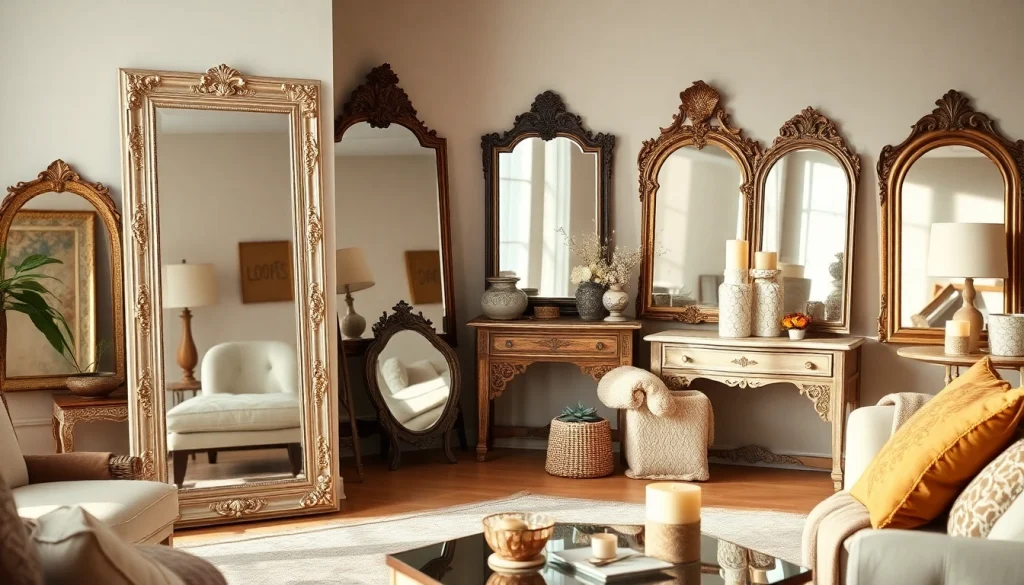
Decorative mirrors come in various shapes, styles, and finishes, making them versatile elements in home décor. Whether you opt for an intricately designed antique mirror or a sleek modern piece, these mirrors can be used to express your personal style. A unique decorative mirror can act as a focal point in a room, drawing the eye and inviting conversation.
Modern vs. Traditional Styles: Choosing the Right Look
When selecting a mirror, consider the overall architectural style of your home. Modern homes often benefit from mirrors with clean lines and minimalist designs, such as geometric shapes or frameless varieties. On the other hand, traditional homes may be complemented by ornate, vintage-style mirrors that reflect classic elegance. Understanding these distinctions can help you coordinate your mirror selection with your home’s interior design style effectively.
How to Select the Perfect Mirror for Your Space
Selecting the right mirror for your space involves understanding not only the type of mirror that will suit your needs but also considering various functional aspects. Here are critical elements to consider when making your choice.
Measuring Your Space: Key Considerations
Before you purchase a mirror, it’s essential to measure the space where you plan to place it. Consider the available wall space, the height at which you will hang the mirror, and the surrounding furniture. A general guideline is that the mirror should occupy approximately two-thirds of the wall space for a balanced look, especially in larger rooms.
Style Coordination: Matching Mirrors with Your Decor
To create a cohesive look in your home, coordinate your mirror’s style with other decorative elements in your space. For instance, if your room features rustic wood furnishings, a distressed wooden mirror frame might complement the overall theme. Similarly, if your décor is contemporary, opt for a sleek metal or glass frame that matches your modern aesthetic.
Lighting Effects: Enhancing Ambiance with Mirrors
The right placement of a mirror can dramatically affect the ambiance of a room, particularly regarding lighting. Mirrors reflect light, making dimly lit areas feel brighter and more inviting. Placing a mirror near a light source, such as a lamp or window, can enhance this effect. Additionally, consider using mirrors in conjunction with other decorative lighting to elevate the room’s mood and enhance its design.
DIY Mirror Decorating Ideas
If you’re looking to personalize your mirrors or add unique flair to them, DIY projects can be a fun and rewarding endeavor. Here are some creative ideas to inspire your next decorating project.
Framing Your Mirror: Creative Techniques to Consider
Adding a frame to a basic mirror can transform its look entirely. Consider using materials such as reclaimed wood, ornate molding, or even fabric to create a custom frame that suits your style. Another idea is to decorate a basic mirror using paint or stencils to add patterns or colors that resonate with your home’s color scheme. This customization allows your mirror to become a true reflection of your style.
Mirror Placement: Achieving Optimal Reflections
Placement is crucial in maximizing the benefits of mirrors in your interior design. Experiment with different locations in your space, including positioning a mirror at varying heights or angles to see how the reflections play off one another. Consider placing mirrors opposite artwork or beautiful views to create depth and visual interest in your room.
Using Multiple Mirrors: Creating Illusions of Space
Implementing multiple mirrors in a single space can create a stunning visual effect, making a room feel larger and more open. Create a gallery wall with an arrangement of different mirrors in various sizes, frames, and shapes. This not only adds personality to the space but also enhances light flow, contributing to a bright and airy environment.
Maintaining Your Mirrors for Longevity
Cleaning Techniques for Different Mirror Types
Cleaning mirrors may seem straightforward, but using the right techniques and products is vital for best results. For regular cleaning, a mixture of distilled water and white vinegar can be effective. Using a microfiber cloth or soft paper towel will prevent streaks and scratches. Avoid ammonia-based cleaners, as they can damage the reflective coating on the back of the mirror.
Preventing Damage: Care Tips and Tricks
To prevent damage to your mirrors, handle them with care during cleaning, ensuring that you don’t apply excessive pressure that could cause cracks or breaks. Keep mirrors out of direct sunlight to avoid fading or warping over time. Additionally, ensure that mirrors are securely mounted to avoid accidental falls or damage.
Tips for Storage: Keeping Mirrors Safe
If you need to store mirrors temporarily, it’s crucial to do so properly. Wrap mirrors in protective padding or bubble wrap and store them upright in a secure position to prevent distortion or scratches. Avoid stacking mirrors directly on top of one another, as this increases the risk of damage.
Where to Buy Quality Mirrors
Finding quality mirrors is essential for any home decorator. With numerous options available, knowing where to look and what to consider can streamline your shopping experience.
Choosing Reliable Retailers: What to Look For
When searching for quality mirrors, it’s essential to choose reputable retailers. Look for those that specialize in home décor or offer a wide variety of mirror styles. Ensure that they provide detailed information on their products, including dimensions, materials, and care instructions. Verifying return policies and warranties will give you more confidence in your purchases.
Online Shopping Tips: Navigating https://merithome.co.uk
When browsing for mirrors online at https://merithome.co.uk, it’s important to utilize search filters effectively to narrow down your options by size, style, or price range. Pay attention to customer ratings and reviews, as they offer insights into the quality and reliability of the product, making your decision-making process easier.
Evaluating Customer Reviews: Making an Informed Decision
Customer reviews can provide valuable information about a mirror’s quality, style, and functional suitability. Look for detailed reviews that discuss aspects such as ease of installation, durability, and how the mirror has performed in real-world use. This feedback can be instrumental in guiding your final choice, ensuring you invest in a mirror that meets your expectations.