
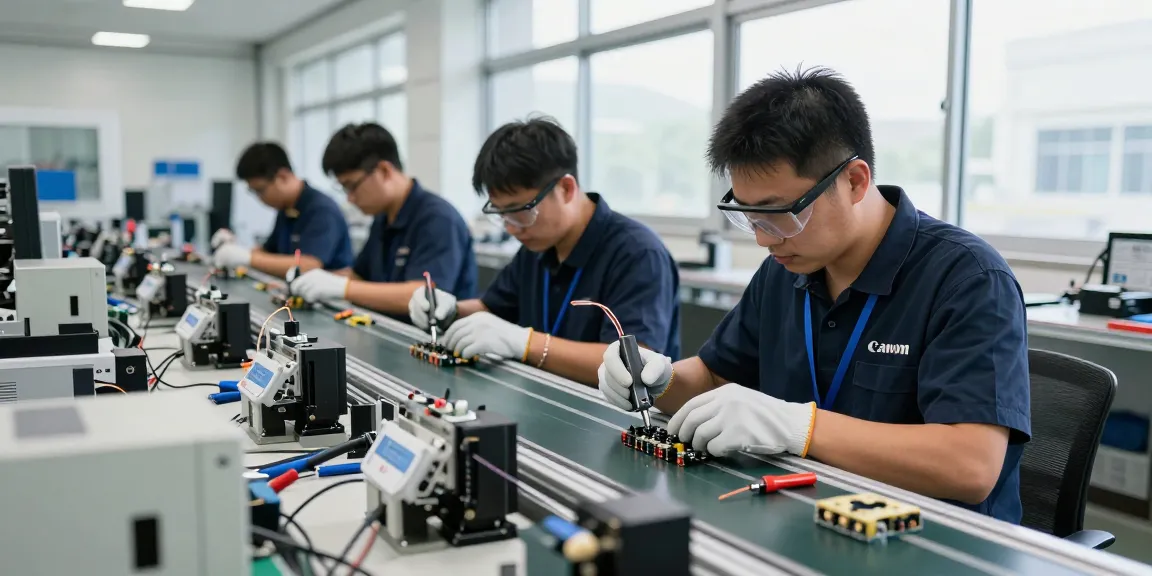
Understanding Wire Crimp Connectors
In the world of electronics, the wire crimp connector plays a vital role in ensuring reliable connections between various components. These connectors are essential for creating secure, long-lasting connections that can withstand both electrical and physical stresses. With the growing complexity of electronic devices and the need for enhanced performance, understanding the functionality and applications of wire crimp connectors becomes increasingly important. In this article, we will explore the intricacies of wire crimp connectors, their benefits, best practices for use, and the innovations shaping their future.
What Are Wire Crimp Connectors?
Wire crimp connectors are electrical connectors designed to join two pieces of wire or wire to a terminal by means of a crimping technique. This technique involves compressing a metal sleeve around the wire insulation, creating a secure connection. These connectors can be made from various materials such as copper, brass, and aluminum, depending on the application requirements. The advantages of using wire crimp connectors include their ability to provide strong, consistent electrical connections with minimal resistance.
Components and Functionality of Crimp Connectors
Wire crimp connectors consist of several key components: the connector body, the crimp barrel, and the insulation support. The connector body houses the crimp barrel, where the wire is inserted and crimped. Insulation support is crucial for maintaining the integrity of the connection and preventing shorts. The functionality of crimp connectors depends heavily on the quality of the crimping process. A well-executed crimp will ensure a good mechanical and electrical bond, which is essential for the reliability of the electrical circuit.
Common Applications in Electronics
Wire crimp connectors find applications across a wide range of electronic devices and systems. Common uses include:
- Automotive: For connecting various electrical systems within vehicles.
- Consumer electronics: Used in appliances, computers, and mobile devices.
- Industrial automation: Connecting sensors, actuators, and control devices.
- Telecommunications: Ensuring reliable connections in communication systems.
In each of these applications, the importance of using high-quality crimp connectors cannot be overstated. Proper selection and use can significantly enhance device performance and longevity.
Benefits of Using Wire Crimp Connectors
Wire crimp connectors offer numerous benefits, making them a preferred choice for electronic designs. When exploring options, wire crimp connectors provide comprehensive insights into their advantages, including efficiency, reliability, and cost-effectiveness.
Cost-Effectiveness and Time Efficiency
One of the primary benefits of wire crimp connectors is their cost-effectiveness. They are typically less expensive than other connector types, such as soldered joints. Additionally, the crimping process is generally faster than soldering, which can significantly reduce labor costs in manufacturing settings. With minimal setup time required, crimp connectors can help streamline production processes.
Enhanced Reliability in Electrical Connections
Wire crimp connectors provide enhanced reliability due to their robust design. Once crimped, these connectors form a tight bond with the wire that resists vibration and temperature changes, which is crucial in demanding environments like automotive applications. This durability minimizes the risk of connection failures, which can lead to costly repairs and downtime.
Versatility Across Different Industries
Another significant advantage of wire crimp connectors is their versatility. They are used in a variety of industries, from automotive to aerospace, and in consumer electronics. This adaptability allows manufacturers to utilize a single connectivity solution across multiple products, simplifying supply chains and inventory management.
Best Practices for Crimping Techniques
To maximize the performance and reliability of wire crimp connectors, it is essential to follow best practices during the crimping process. Proper techniques can minimize errors and ensure high-quality connections.
Choosing the Right Tools for the Job
Using the correct tools is crucial for effective crimping. A high-quality crimping tool specifically designed for the type of connector being used will yield better results. Additionally, having wire strippers and cutters on hand can facilitate a smoother crimping process. Consider the material and size of the wire and connector when selecting tools to ensure compatibility.
Step-by-Step Guide to Proper Crimping
Here is a simple step-by-step guide to crimping wire connectors securely:
- Strip the wire insulation to expose a sufficient length of conductor.
- Insert the stripped wire into the crimp barrel of the connector.
- Ensure that the wire is fully seated within the barrel.
- Using the crimping tool, apply firm pressure to compress the barrel around the wire.
- Inspect the connection for proper seating and a secure crimp.
Following these steps can help avoid common pitfalls that lead to connection failures.
Avoiding Common Mistakes in Crimping
To achieve optimal results, it’s crucial to avoid common mistakes. Ensure that the wire is adequately stripped without damaging the conductor, as excessive stripping can lead to weak connections. Additionally, using the wrong type of connector or crimping tool can result in inadequate connections. Always double-check your work after crimping to ensure that the connection meets the necessary standards.
Innovations in Wire Crimp Connector Technology
The connector industry is continuously evolving, with innovations that promise to enhance performance, reliability, and sustainability. Emerging trends are shaping the future of wire crimp connectors.
Emerging Trends in Connector Manufacturing
Manufacturers are increasingly focusing on producing connectors that accommodate higher currents and voltages. This trend is driven by the demand for more compact electronic devices with increased capabilities. Furthermore, advancements in materials science are leading to the development of connectors that offer better resistance to corrosion and environmental factors.
Impact of AI and Automation on Production
Artificial intelligence (AI) and automation are transforming the manufacturing landscape for wire crimp connectors. Smart manufacturing processes enable real-time monitoring of production quality, reducing waste and defects. Automated crimping machines can also increase production speeds while maintaining consistency and precision, ensuring that every connector meets strict quality standards.
Sustainability Practices in Connector Design
As sustainability becomes a priority across industries, connector manufacturers are adopting environmentally-friendly practices. This includes using recyclable materials in connector production and minimizing energy consumption during manufacturing. Such practices not only benefit the environment but can also lead to cost savings and improved brand reputation.
Future-Proofing with Wire Crimp Connectors
As the electronics industry continues to evolve, it is essential to future-proof designs with reliable connectivity solutions. Wire crimp connectors remain a cornerstone in achieving this goal.
Adapting to Industry Changes and Standards
The electronics industry is subject to rapidly changing standards, particularly concerning safety and efficiency. Manufacturers must remain vigilant and adapt their products to adhere to these standards. Wire crimp connectors must also evolve to meet these requirements, ensuring that they remain a viable choice for modern applications.
Predictions for the Electronics Market in 2026
By 2026, the electronics market is expected to see significant growth, driven by advancements in technology such as IoT and AI. This growth will likely lead to increased demand for reliable and efficient connectivity solutions. Wire crimp connectors will play a critical role in supporting these technologies, providing the necessary reliability for sophisticated electronic systems.
Building Stronger Supply Chains with Advanced Connectors
To meet the anticipated demand, manufacturers will need to build stronger, more resilient supply chains. Advanced wire crimp connectors will help facilitate this by allowing for quicker assembly and integration into various devices, thereby ensuring that production processes remain streamlined.
What Are the Advantages of Wire Crimp Connectors?
The key advantages of wire crimp connectors include their cost-efficiency, reliability, versatility, and ease of use. These attributes make them an ideal choice for a wide range of applications across various industries.
How to Choose the Right Wire Crimp Connectors?
When selecting wire crimp connectors, consider factors such as the type of wire, the current and voltage ratings, and the environmental conditions the connection will face. It’s essential to match the connector type with the specific application requirements to ensure optimal performance.
What Industries Use Wire Crimp Connectors?
Wire crimp connectors are widely used in automotive, aerospace, telecommunications, consumer electronics, and industrial applications. Their adaptability allows them to meet the needs of diverse markets effectively.
Are Wire Crimp Connectors Waterproof?
Many wire crimp connectors are designed to be resistant to moisture and environmental factors. However, it’s crucial to verify the specifications of individual connectors to ensure they meet the required waterproof standards for specific applications.
How Do I Maintain Wire Crimp Connectors?
Maintaining wire crimp connectors involves regularly inspecting connections for signs of wear or corrosion. For more information, automotive wire connectors offers valuable insights. In harsh environments, using protective coverings or sealing compounds may also be beneficial to ensure longevity and reliability.