
- Understanding the Importance of Construction Safety Training
- Key Components of Effective Construction Safety Training
- Best Practices for Construction Safety Training Implementation
- Common Challenges in Construction Safety Training
- Future Trends in Construction Safety Training
- Frequently Asked Questions (FAQs)
Understanding the Importance of Construction Safety Training
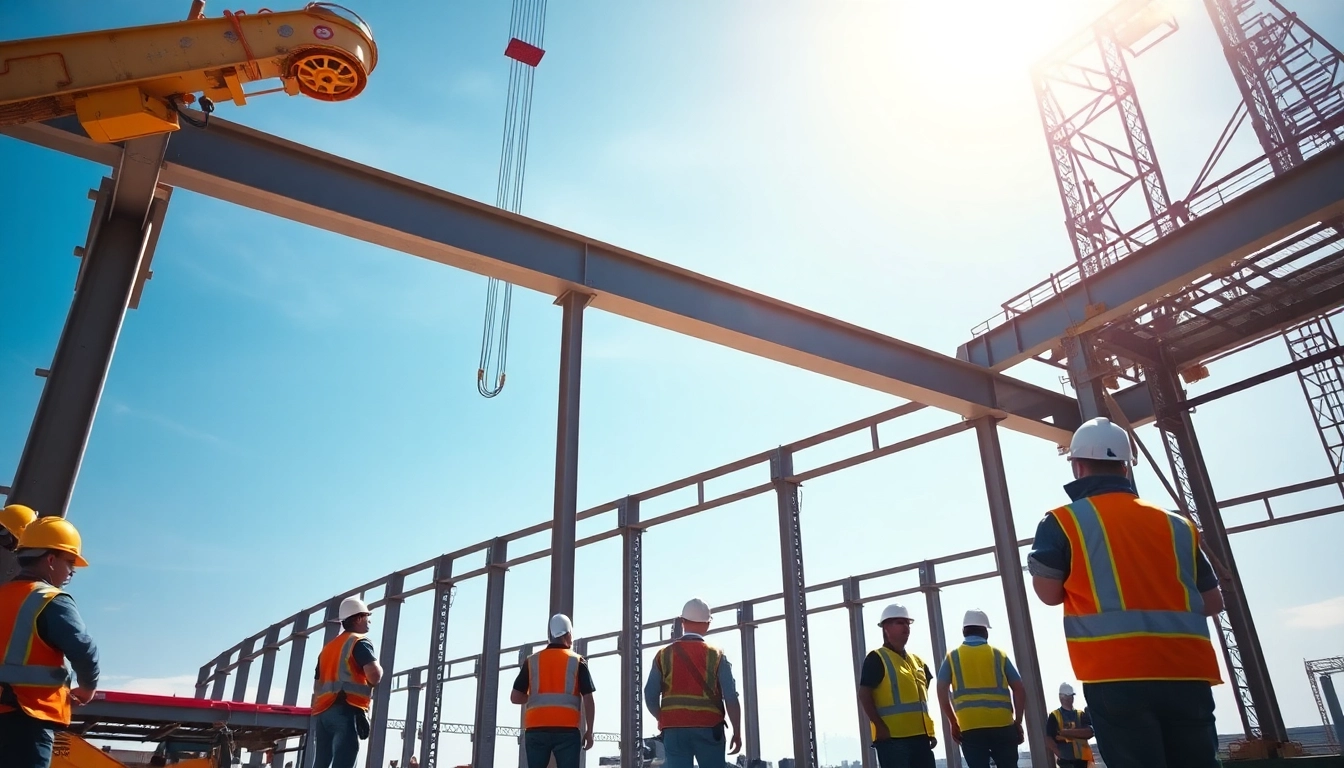
Construction sites are notorious for their hazards, from falling objects to electrical dangers. Therefore, comprehensive construction safety training is essential not only for compliance but also for the well-being of workers. A proper training program equips employees with knowledge and skills to tackle potential dangers, thereby reducing accidents and injuries on-site.
Defining Construction Safety Training
Construction safety training encompasses all educational efforts aimed at promoting safe practices in the construction industry. This training covers various topics including hazard recognition, proper use of personal protective equipment (PPE), emergency response protocols, and legal regulations. It is imperative that both new and experienced workers undergo regular updates to their safety training, as construction practices and technologies continuously evolve.
Benefits for Workers and Employers
The benefits of effective construction safety training are manifold. For workers, it cultivates a safer working environment, thus minimizing the risk of injuries or fatalities. Improved knowledge leads to heightened awareness, resulting in workers who recognize hazards and take proactive steps to mitigate risks.
For employers, the advantages are equally significant. Increased safety translates into lower insurance premiums, reduced employee turnover, and enhanced overall productivity. Moreover, a good safety record enhances the company’s reputation in a highly competitive market, thereby attracting more skilled labor and potential contracts.
Legal Requirements and Compliance
Various laws and regulations govern safety training in the construction industry. Employers are legally obliged to provide adequate training and resources to ensure their employees can work safely. Compliance with standards established by organizations such as the Occupational Safety and Health Administration (OSHA) is critical. Regular training courses help maintain compliance, avoid legal repercussions, and create a safer working environment.
Key Components of Effective Construction Safety Training
Identifying Hazards in the Workplace
A foundational element of effective construction safety training is the identification of hazards. This involves systematically assessing the worksite to uncover both immediate and potential risks. Creating a culture where workers feel empowered to voice concerns about unsafe conditions is essential. Through hands-on activities and discussions, training should educate employees on how to recognize different types of hazards, including physical, chemical, and ergonomic issues.
Implementing Safety Protocols and Procedures
Following hazard identification, training must focus on implementing robust safety protocols. These protocols should cover guidelines for using safety gear, safe operation of machinery, and emergency procedures. Workers should engage in training sessions that include demonstrations, discussion, and practice scenarios that foster their understanding and ability to apply safety protocols.
Engagement Techniques for Effective Learning
To enhance retention and engagement during safety training, diverse teaching methods should be employed. This includes interactive training sessions, simulations, and on-the-job training. Utilizing storytelling or sharing real-life case studies can create a deeper emotional connection, making compliance feel more vital. Regularly updating training materials to include the latest in safety technology and practices also keeps the content relevant and engaging.
Best Practices for Construction Safety Training Implementation
Tailoring Training Programs for Diverse Workforces
A one-size-fits-all approach to safety training may not be effective given the diverse makeup of the construction workforce. Factors such as language barriers, literacy levels, and cultural differences must be considered when developing training materials. Customized training programs that cater to these varying needs ensure that all workers can comprehend and utilize safety protocols effectively.
Utilizing Technology in Training Delivery
Advancements in technology offer new avenues for delivering construction safety training. Online courses, mobile applications, and learning management systems can provide flexible solutions for training schedules. Additionally, incorporating augmented reality (AR) or virtual reality (VR) into training programs allows workers to experience potential hazards in a controlled environment. This immersive experience enhances understanding and prepares workers for real-life situations.
Measuring Training Effectiveness and Making Improvements
To gauge the effectiveness of safety training programs, employers should implement performance metrics and feedback mechanisms. Surveys, tests, and on-the-job observations can provide insights into the training’s impact. Analyzing incident reports before and after training can reveal significant trends in safety performance, thereby informing necessary adjustments to training content or delivery methods.
Common Challenges in Construction Safety Training
Overcoming Resistance to Safety Training
Resistance to safety training can stem from a lack of perceived value or prioritization of productivity over safety. Addressing this requires a cultural shift within organizations. Safety leaders must communicate the importance of safety training effectively and involve workforce members in discussions about safety policies. Engaging workers in decision-making processes fosters a sense of ownership and encourages compliance.
Addressing Language and Literacy Barriers
Language and literacy barriers can significantly impede comprehension of safety training content. Offering training in multiple languages and utilizing visual aids can enhance understanding. Providing one-on-one assistance or mentorship can also bridge gaps for lower literacy levels. Continuous feedback from workers can help refine these resources further.
Balancing Time Constraints with Training Needs
Time constraints are a common challenge in the construction industry, where tight schedules can delay training. Employers must prioritize safety training, integrating it into regular workflows. Short, frequent safety sessions can be more effective than long, infrequent training sessions. Emphasizing safety as an integral part of the work culture is key to ensuring ongoing compliance and learning.
Future Trends in Construction Safety Training
Integrating Virtual Reality and Simulations
The use of virtual reality is transforming the landscape of construction safety training. Providing workers with realistic, immersive simulations allows them to practice responses to hazards without risking safety. Scenarios can be tailored to specific tasks, enhancing relevancy and engagement while reducing the likelihood of accidents in the field.
The Role of Data Analytics in Safety Training
Data analytics is becoming increasingly significant for enhancing safety training programs. Analyzing data from training outcomes, incident reports, and worker feedback can help identify safety trends and areas requiring additional focus. Data can drive targeted interventions, making training more effective and reflective of real-world needs.
Creating a Culture of Safety in Construction
Ultimately, establishing a culture of safety within construction organizations relies on strong leadership and ongoing communication. Leadership should prioritize and model safety practices, ensuring that every worker feels empowered to advocate for their safety and that of their colleagues. Recognizing and rewarding safe practices among workers promotes awareness and accountability within the workforce.
Frequently Asked Questions (FAQs)
What are the key benefits of construction safety training?
Construction safety training reduces the risk of workplace accidents, enhances compliance with legal regulations, and improves productivity by fostering a safer work environment.
How often should safety training be conducted?
Safety training should be conducted regularly, ideally annually, and whenever new equipment, procedures, or regulations are introduced to ensure ongoing compliance and competency.
What techniques can increase engagement in safety training?
Using interactive elements like simulations, real-life case studies, and diverse teaching methods improves engagement and helps reinforce the importance of safety practices.
How can technology enhance construction safety training?
Technology can offer flexible training delivery, provide immersive experiences through VR, and enable data collection for tracking training effectiveness and areas for improvement.
What can be done to overcome language barriers in safety training?
Providing training materials in multiple languages, utilizing visual aids, and offering one-on-one support can help overcome language barriers, ensuring comprehension for all workers.