
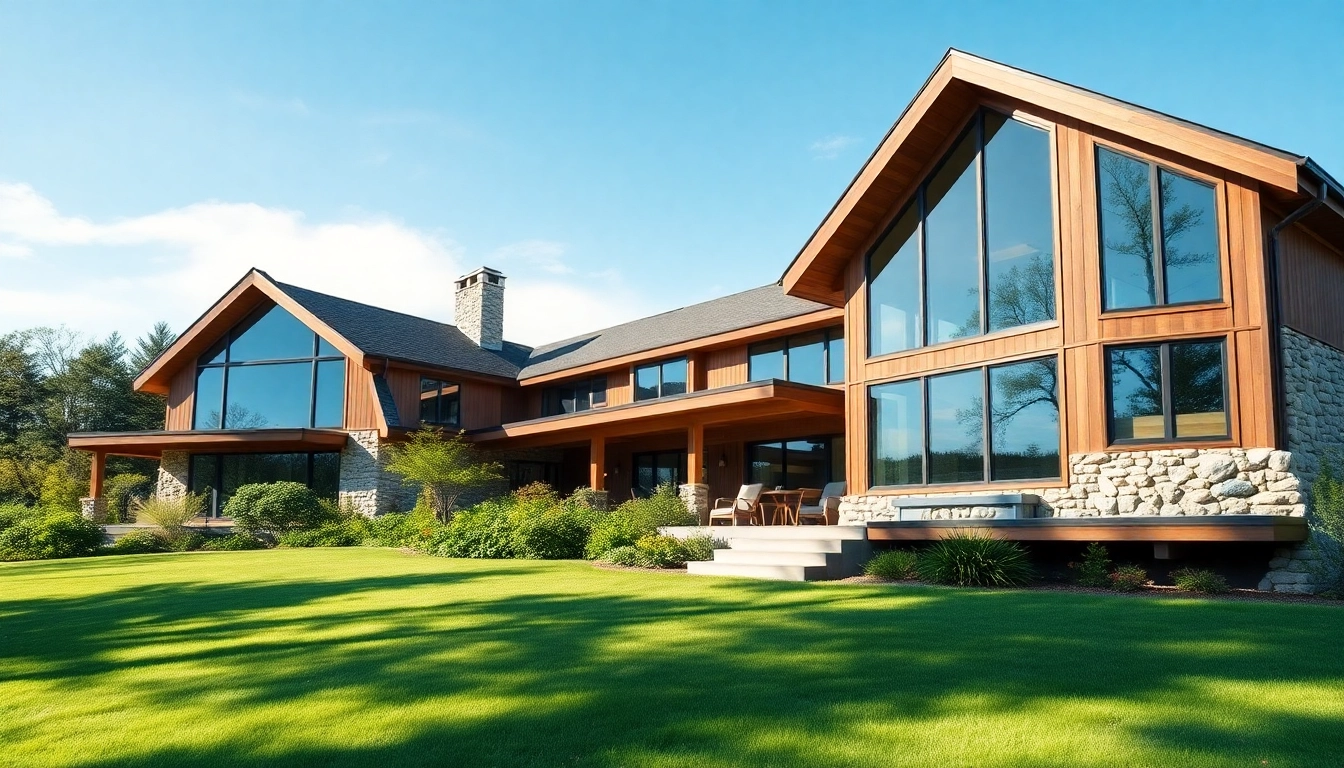
The Importance of a New England Residential Architect
In the intricate world of residential architecture, understanding the local context is paramount, especially in a region as diverse and rich in history as New England. A New England residential architect plays a crucial role in shaping homes that reflect the unique character of this area, while also meeting the needs of modern inhabitants.
Understanding Regional Architecture
New England’s architectural landscape is a tapestry woven with historical influences, environmental considerations, and cultural narratives. Spanning six states, the region showcases a variety of styles from Colonial to Victorian, Cape Cod, and modern designs. Each community possesses its unique traits influenced by geography, climate, and historical events. A proficient architect familiar with this diversity can create spaces that resonate with the locality while incorporating contemporary needs.
Key Responsibilities of a Residential Architect
The responsibilities of a residential architect in New England extend beyond mere design. They involve:
- Client Consultation: Understanding clients’ visions, lifestyles, and requirements.
- Site Analysis: Evaluating the land for zoning rules, environmental challenges, and scenic views.
- Design Development: Crafting detailed design plans that include floor plans, elevations, and material selections.
- Project Management: Overseeing the architectural process to ensure timely completion and adherence to budget.
- Collaboration: Working with engineers, builders, and interior designers to execute the vision efficiently.
Benefits of Hiring a Local Expert
Opting for a local architect brings numerous advantages, including:
- Local Knowledge: Awareness of local codes, regulations, and weather-related design considerations.
- Community Insight: Ability to create spaces that reflect the cultural and aesthetic standards of the community.
- Personalized Service: Greater availability for meetings and site visits, fostering a collaborative atmosphere.
- Network of Local Professionals: Established connections with contractors, craftsmen, and suppliers, which can streamline the construction process.
Designing for New England’s Unique Environment
New England is renowned for its diverse seasonal changes, from hot summers to frigid winters. A competent New England residential architect must design with these elements in mind, ensuring homes are functional and comfortable throughout the year.
Adapting to Seasonal Changes
Architects must consider how different seasons affect both aesthetics and functionality. For instance, large windows are ideal for capturing summer sunlight, while overhangs can provide shade during peak heat. In winter, warm, cozy spaces become a priority, necessitating designs that maximize heat retention and minimize drafts.
Sustainable Design Practices
With an increasing emphasis on sustainability, architects in New England are called upon to integrate eco-friendly practices into their designs. This includes the use of energy-efficient systems, water-saving fixtures, and passive solar design techniques, which leverage natural light and ventilation to reduce energy consumption. By emphasizing sustainability, architects contribute to lower utility bills and a reduced ecological footprint.
Incorporating Local Materials
Utilizing local materials not only supports regional economies but also ensures that buildings naturally harmonize with their surroundings. New England boasts a wealth of natural resources, such as granite, slate, and timber. Incorporating these materials can enhance the aesthetic appeal of a home while ensuring durability against the region’s weather extremes.
Innovative Styles by New England Residential Architects
The interplay of tradition and innovation defines the architectural styles emerging from New England. Contemporary architects continuously strive to harmonize modern living with the region’s rich heritage.
Modern Trends in Residential Architecture
Current trends showcase a shift towards open-concept spaces, sustainable technology, and minimalistic design. Architects leverage smart home technology to enhance comfort, security, and convenience. Additionally, the combination of indoor and outdoor living spaces has gained popularity, with patios and decks seamlessly integrated into the home’s design.
Classic New England Design Elements
Despite the move towards modernity, classic elements remain in demand. Features such as gabled roofs, clapboard siding, and cozy fireplaces evoke the charm characteristic of New England homes. These elements are thoughtfully combined with modern aesthetics to create a balanced approach that honors history while catering to contemporary needs.
Case Studies of Successful Projects
Exploring successful projects illustrates the versatility of New England residential architects. For example, the renovation of a historic barn into a chic family home in Massachusetts showcased the importance of blending old structures with modern amenities. Similarly, new constructions along the coast have embraced elevated designs to counteract potential flooding, marrying practicality with stunning ocean views.
Navigating the Architectural Process
The architectural journey begins with a vision and culminates in the realization of a dream home. Understanding the various phases of this process can empower homeowners to engage confidently with architects.
From Initial Consultation to Completion
The journey typically begins with initial consultations, where architects gather essential information regarding the clients’ desires and the site conditions. Following this step, design proposals are crafted and iterated upon before reaching the construction phase. Thorough communication and transparency are key to ensuring projects stay aligned with client expectations.
Understanding Permits and Regulations
Navigating local building codes and obtaining the necessary permits can be daunting. A local architect is invaluable in guiding clients through this process, ensuring compliance with all regulations. This effort prevents potential delays and costly fines, allowing the project to progress smoothly.
Collaboration with Builders and Contractors
A successful architectural project hinges on collaboration. A residential architect coordinates closely with builders and contractors, translating design plans into reality. Frequent site visits and open lines of communication ensure any issues are swiftly addressed, contributing to the overall success of the project.
FAQs about New England Residential Architecture
How do I choose the right residential architect?
Look for experience, a strong portfolio, good communication skills, and positive references. Choose someone who understands your vision and the local context.
What is the average cost of hiring an architect?
Architect fees can vary based on project size and complexity but generally range from 5% to 15% of the total construction budget.
How long does the design process typically take?
The design process varies but usually takes several weeks to months, contingent upon project complexity, client feedback, and permit approvals.
Can architects work with existing homes?
Yes, architects can enhance existing homes through remodeling or expansions, increasing both functionality and aesthetic appeal.
What role does sustainability play in residential architecture?
Sustainability is essential in modern design, focusing on energy efficiency, reducing waste, and utilizing eco-friendly materials and methods.

