Understanding Different Types of Flooring
1. Overview of Flooring Materials
Flooring serves not just as a foundation for your space but also sets the tone and aesthetic for your home. In the realm of flooring, numerous materials exist, each offering distinct characteristics and benefits. The primary materials commonly used in flooring include hardwood, laminate, vinyl, tile, and carpet. Understanding these materials enables homeowners to make educated choices that suit their design preferences and practical needs.
Hardwood flooring, renowned for its beauty and durability, brings a natural warmth to any room. It is available in various species, such as oak, maple, and cherry, each with unique grain patterns and colors. Laminate flooring offers a more affordable alternative while mimicking the appearance of hardwood. It consists of a multi-layer construction, making it resistant to scratches and fading.
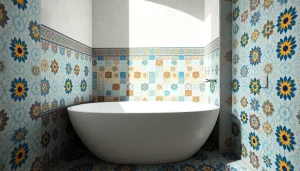
Vinyl flooring has evolved dramatically, providing options that resemble wood or stone with impressive durability. It’s particularly popular in high-traffic areas due to its water-resistant qualities. Meanwhile, tile flooring, either ceramic or porcelain, is highly valued for its resilience and versatility in both aesthetic and function. Lastly, carpet provides unrivaled comfort and insulation, allowing for a softer underfoot in living spaces.
2. Pros and Cons of Common Flooring Options
Each flooring type comes with its own set of advantages and disadvantages, which is essential to consider during your selection process. Below is a breakdown of the pros and cons of some common flooring options:
- Hardwood Flooring
- Pros: Timeless appeal, increases home value, durable.
- Cons: Can be expensive, susceptible to scratches and moisture damage.
- Laminate Flooring
- Pros: Cost-effective, easy to install, available in various designs.
- Cons: Less durable than hardwood, can be noisy, difficult to repair.
- Vinyl Flooring
- Pros: Waterproof, affordable, wide range of designs and colors.
- Cons: Less eco-friendly, can fade in direct sunlight, may dent easily.
- Tile Flooring
- Pros: Extremely durable, water-resistant, easy to maintain.
- Cons: Can be cold and hard underfoot, heavy, requires grout maintenance.
- Carpet
- Pros: Soft underfoot, good insulation, variety of styles.
- Cons: Stains easily, requires regular cleaning, not suitable for humid areas.
3. Choosing the Right Flooring for Your Home
The journey to selecting the right flooring for your home begins with assessing your lifestyle, budget, and design preferences. Consider factors such as the room’s purpose, the amount of foot traffic it will receive, and your family’s specific needs—like pet-friendliness or hypoallergenic materials. For instance, a busy family with pets might benefit from resilient materials like vinyl or laminate that withstand scratches and are easy to clean.
Another crucial aspect is the overall interior design: modern aesthetics may align better with sleek tiles or minimalist laminate, while a rustic theme may call for rich hardwood. Furthermore, sample swatches should be tested under different lighting conditions and alongside existing items in your home to ensure a cohesive look.
Key Considerations Before Installing Flooring
1. Budgeting for Your Flooring Project
When considering new flooring, it’s crucial to establish a realistic budget. Costs can vary significantly based on material, installation fees, and design choices. Always account for extras like underlayment, trim, and any necessary repairs to the subfloor. It’s advisable to get quotes from several suppliers and installers to ensure transparency in pricing. Furthermore, keep a contingency amount—typically 10-15% of the total budget—for unexpected expenses that may arise during the project.
2. Assessing Space Requirements
Assessing the space where you plan to install flooring involves measuring the room size, noting its shape, and understanding the layout. Some materials may require specific preparations for leveling or underlayment based on the type of subfloor. It’s equally important to consider natural light—darker flooring can absorb light and create a cozy feel while lighter options can enhance brightness and make a small space appear larger.
3. Preparing Your Home For Installations
Successful flooring installation requires adequate preparation prior to the arrival of professionals or DIY efforts. This includes moving furniture, ensuring the subsurface is clean and dry, and addressing any underlying moisture issues. Homeowners should also plan for the disruption of their living space during the installation; making arrangements for pets and family activities can alleviate stress during this time.
Best Practices for Flooring Installation
1. DIY vs Hiring Professionals
Deciding between a DIY approach or hiring professionals often hinges on your skill level and the nature of the flooring material. While DIY projects can save money and provide a sense of accomplishment, they may require tools and expertise that stimulate frustration without proper knowledge. Conversely, professional installers bring experience and precision ensuring the flooring is laid correctly, reducing potential issues later. Consider factors such as time constraints, complexity of the job, and potential wastage of materials when making your decision.
2. Tools and Techniques for Successful Installation
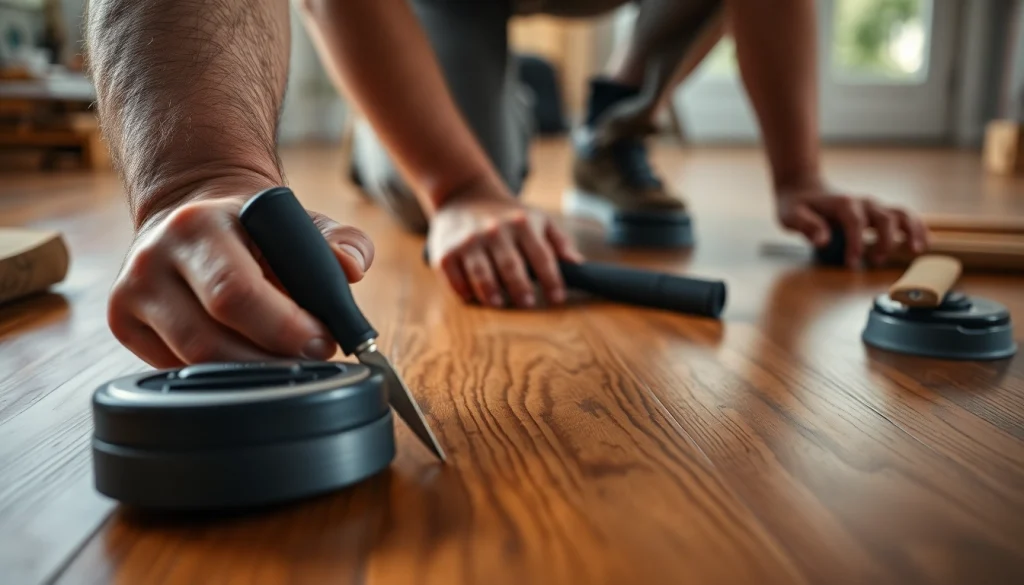
If you choose to install flooring on your own, using the right tools is essential for achieving satisfactory results. Essentials include a measuring tape, saw, level, hammer, and floor scraper. Familiarize yourself with the specific installation techniques required for your flooring type, whether it’s clicking planks together, nailing down boards, or bonding tiles. Watching tutorial videos or seeking advice from DIY communities can enhance your understanding of the process.
3. Common Mistakes to Avoid
During the installation process, several common pitfalls can undermine your results. Inadequate preparation—such as neglecting to acclimate flooring materials to room temperature—can lead to expansion or contraction issues. Poor measurements leading to material wastage are another threat. Furthermore, failing to follow the manufacturer’s instructions can affect warranties and performance. Always double-check your measurements, use quality materials, and stay informed about the recommended techniques for seamless installation.
Maintaining Your Flooring: Tips for Longevity
1. Cleaning and Care Guidelines
Maintaining your flooring goes beyond the initial installation; proper care extends its life. Regular cleaning routines can prevent damage from dirt and debris. For hardwood, a soft broom or vacuum can effectively remove dust, while specific wood cleaners can help maintain its shine. Are you using vinyl? A damp mop with a gentle cleaner typically suffices, but avoid harsh chemicals that could damage the surface. Always refer to the manufacturer’s guidelines regarding specific cleaning products and recommended practices.
2. When to Refinish or Repair Flooring
Knowing when to refinish or repair your flooring can significantly impact its durability. For hardwood, signs of wear such as deep scratches or discoloration may indicate it’s time for refinishing. Vinyl and laminate flooring may require replacement if there are significant tears or warping. Regular inspections can help identify issues early; minor repairs, like filling scratches or replacing broken tiles, can be accomplished before they necessitate full replacement.
3. Seasonal Maintenance Tips
Seasonal changes can have various impacts on your flooring, demanding tailored maintenance to ensure longevity. In winter, consider using mats at entry points to minimize dirt and moisture entering your home. In summer, properly acclimating materials and maintaining humidity levels can prevent warping, especially for hardwood. Regularly check seals and finishes and ensure there’s no standing water that could compromise flooring integrity. Consider creating a seasonal maintenance checklist to simplify care tasks.
FAQs About Flooring Options
1. What is the best flooring option for a kitchen?
For kitchens, consider tile or vinyl flooring due to their durability and water resistance.
2. How long does flooring installation take?
The installation time varies by type and size of the area; typically, it ranges from 1 to 3 days.
3. Can I install flooring over existing flooring?
Yes, but ensure the existing floor is level and in good condition to avoid complications.
4. What flooring is best for homes with pets?
Laminate and vinyl are good choices for pet owners due to their scratch resistance and easy cleaning.
5. How do I choose flooring that fits my interior design?
Consider the color palette, style, and finish of the flooring to ensure it complements your overall design.