
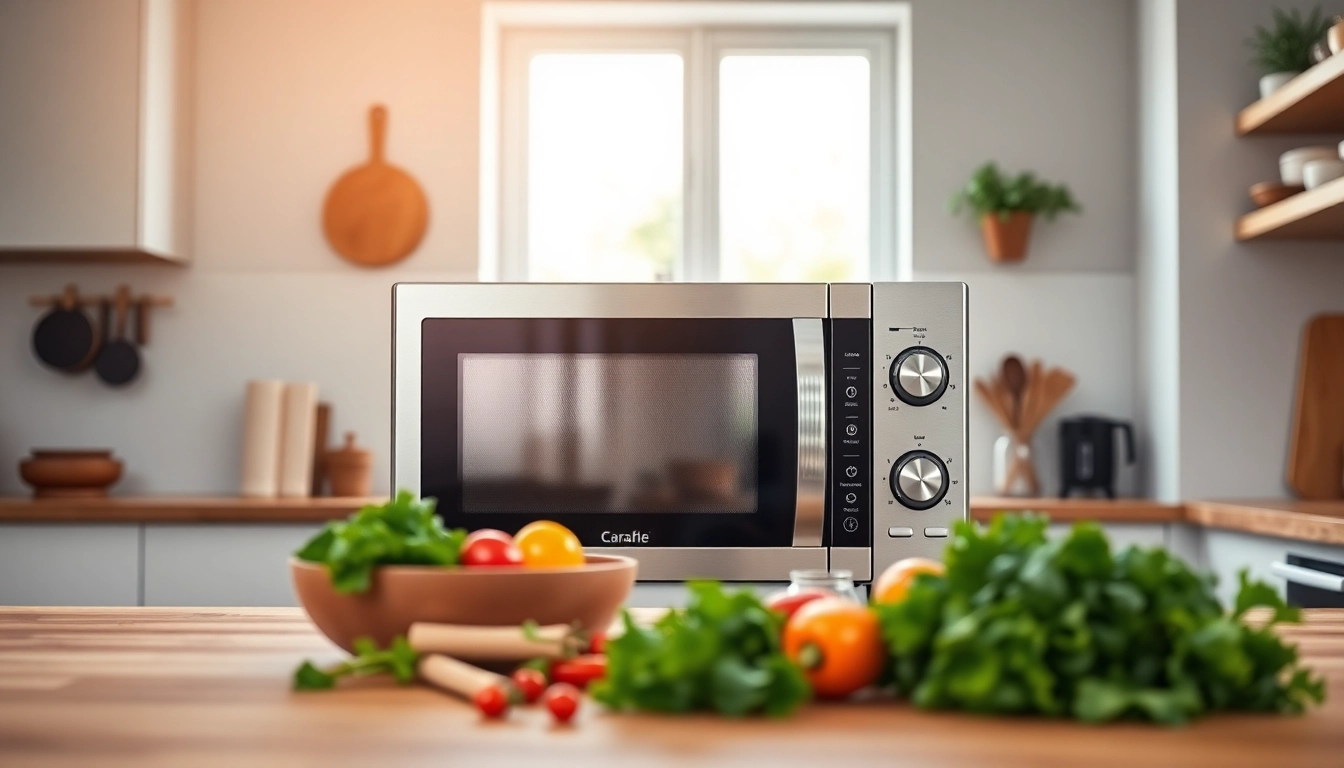
Understanding the Basics of Microwave Oven Technology
What is a Microwave Oven?
A Microwave Oven is a kitchen appliance that uses microwave radiation to heat and cook food. Unlike conventional ovens that rely on heating elements, microwave ovens warm food by agitating water molecules within it. First introduced in the mid-20th century, this appliance has become a staple in kitchens worldwide due to its speed, convenience, and versatility.
How Does a Microwave Oven Work?
At the core of microwave oven technology lies the magnetron, which generates microwave radiation. This radiation is directed into the cooking chamber where it passes through the food. The microwaves excite the water molecules, causing them to vibrate rapidly, which in turn generates heat. This unique process means that food can be cooked from the inside out, ensuring rapid heating while preserving moisture.
Key Features to Look for in a Microwave Oven
When selecting a microwave oven, consider these features:
- Wattage: Higher wattage typically means faster cooking times.
- Size and Capacity: Choose based on your kitchen space and the types of meals you typically prepare.
- Sensor Cooking: This feature adjusts cooking times and power levels based on the moisture released by food.
- Pre-programmed Settings: Look for options that simplify cooking tasks, such as popcorn, baking, or reheating.
- Ease of Cleaning: Some models come with non-stick interiors that make cleaning straightforward.
Benefits of Using a Microwave Oven in Daily Cooking
Speed and Efficiency of Microwave Oven Cooking
Time is a precious commodity in today’s fast-paced world, and the Microwave Oven excels in providing quick meal options. Typical heating times are reduced to mere minutes compared to conventional cooking methods. Additionally, with properly utilized pre-set functions, users can further simplify meal preparation, allowing for a seamless cooking experience.
Healthier Cooking Options with a Microwave Oven
Microwave cooking often preserves the nutritional value of food better than other cooking methods. This is because the shorter cooking times and lower temperatures reduce nutrient loss. Moreover, the ability to steam vegetables without added fats makes the microwave a suitable option for health-conscious individuals looking to maintain a nutritious diet.
Saving Time and Energy with Your Microwave Oven
Using a microwave not only saves time but also energy. Compared to larger ovens, which need time to heat up and maintain temperature, microwave ovens consume less electricity and offer quicker cooking solutions. This efficiency translates to lower utility bills and a reduced carbon footprint over time.
Choosing the Right Microwave Oven for Your Needs
Types of Microwave Oven: Which One Suits You?
There are several types of microwave ovens available, with the primary ones being:
- Countertop Microwave Ovens: Ideal for standard kitchen use, these can sit on your counter and offer varied sizes.
- Over-the-Range Microwave Ovens: These models combine cooking and ventilation, saving space while providing multitasking capabilities.
- Built-In Microwave Ovens: Designed to be integrated into kitchen cabinetry for a sleek look and enhanced functionality.
- Commercial Microwave Ovens: Built for high usage and durability, these are typically found in restaurants.
Size and Space Considerations for Your Microwave Oven
When selecting a microwave oven, always measure your kitchen space. Consider both the height and the footprint. Additionally, assess door swing and ventilation needs if you opt for an over-the-range model. The internal capacity is also essential—larger families should prioritize models that can accommodate oversized dishes.
Budgeting for Your Ideal Microwave Oven
Microwave ovens are available across a wide price spectrum. Establishing a budget before shopping will help you narrow down choices. Remember to factor in features that are most beneficial to you, rather than just opting for the cheapest model. Investing slightly more in reliable brands often leads to better longevity and performance.
Common Microwave Oven Issues and Solutions
How to Troubleshoot Heating Problems with Your Microwave Oven
If your microwave isn’t heating properly, check the following:
- Power Supply: Ensure it’s plugged in and receiving electricity.
- Door Seal: A faulty door will disrupt microwave operation; make sure it closes properly.
- Faulty Magnetron: If this component is malfunctioning, a professional repair service may be needed.
Maintaining Your Microwave Oven for Longevity
Regular maintenance can significantly extend the life of your microwave. Clean spills immediately, avoid using metal containers, and ensure proper ventilation. Additionally, checking the door seals periodically and managing the internal components’ cleanliness can prevent breakdowns and cooking inefficiencies.
When to Replace Your Microwave Oven
If your microwave oven displays persistent issues like sparking, unusual noises, or repeated heating problems, it may be time for a replacement. Generally, the average lifespan of a microwave is about 9-10 years. However, even before this, consider replacement if it no longer meets your cooking needs or safety standards.
Frequently Asked Questions About Microwave Oven
1. Can a Microwave Oven replace a conventional oven?
While a microwave can handle many cooking tasks efficiently, it cannot fully replace all functions of a conventional oven, especially for baking or roasting.
2. How do I clean my Microwave Oven effectively?
Mix water with vinegar or lemon juice in a bowl, heat it in the microwave and wipe it down afterward. Avoid abrasive cleaners as they can damage surfaces.
3. Are Microwave Ovens safe to use?
Yes, as long as they are used according to manufacturer guidelines. There are safety mechanisms to prevent radiation leaks when functioning correctly.
4. What is the average life span of a Microwave Oven?
Most microwave ovens last around 9-10 years depending on usage and maintenance. Regular upkeep can extend their lifespan.
5. Can I use metal containers in my Microwave Oven?
No, metal can cause sparks and fire hazards within a microwave. Use microwave-safe glass or plastic containers instead.