
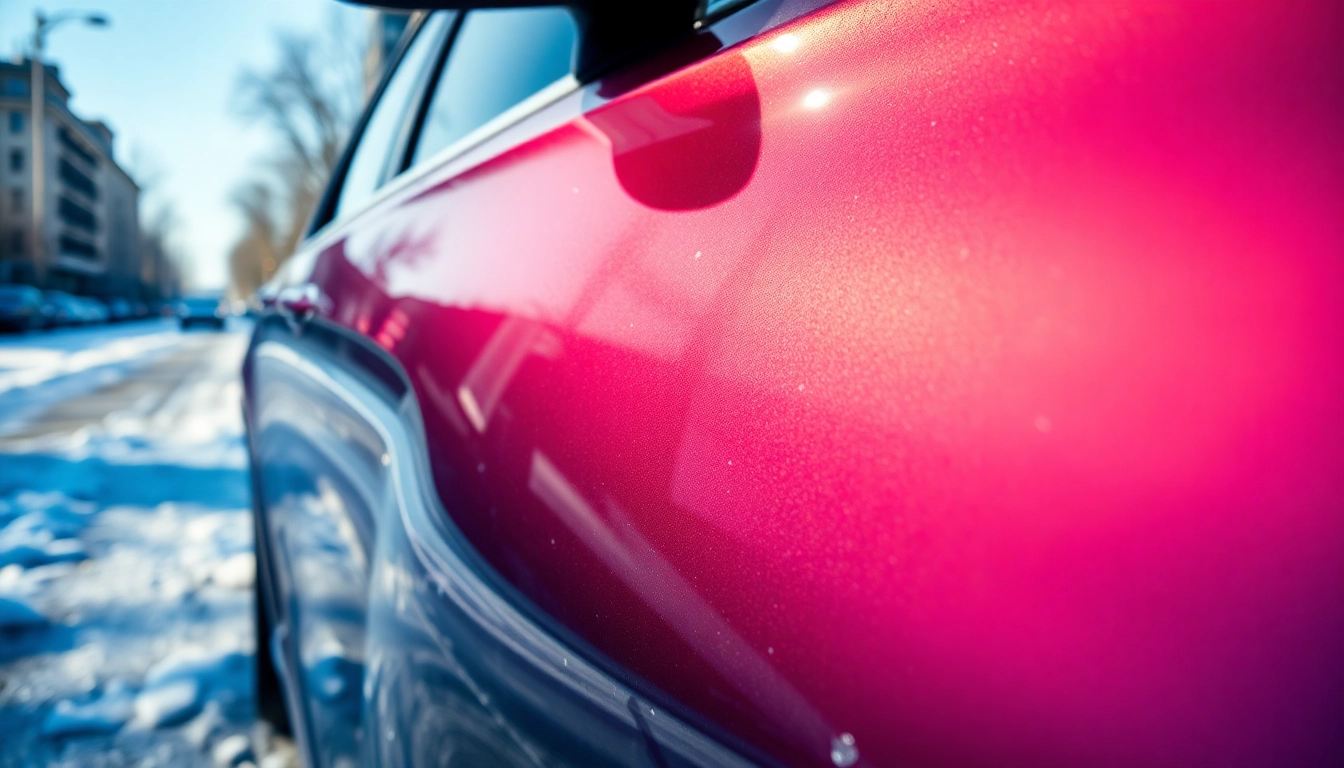
Understanding PPF Winter Road Salt Protection
Winter poses unique challenges for vehicle owners, particularly when it comes to maintaining the exterior of their cars. One of the most significant threats during this season is road salt, which is commonly used to deice roads. To safeguard your vehicle’s paint from these corrosive elements, many turn to PPF winter road salt protection. This article delves deep into understanding Paint Protection Film (PPF) and its efficacy against winter road hazards.
What is PPF?
Paint Protection Film (PPF) is a clear, durable film applied to the exterior surface of vehicles. Its primary purpose is to shield against environmental elements such as UV rays, gravel, insects, and particularly, road salt in winter. Made from a polyurethane material, PPF is designed to be self-healing, meaning minor scratches and swirl marks can disappear when exposed to heat.
Originally developed for military applications, PPF has evolved into a mainstream solution for car enthusiasts and everyday drivers alike. It not only protects the paint but also enhances the overall aesthetic of the vehicle.
Benefits of PPF in Winter
The advantages of installing PPF extend beyond mere aesthetics, particularly during the winter months:
- Corrosion Resistance: PPF serves as a barrier against the salt used on roads, preventing potential rust and corrosion.
- Self-Healing Properties: Minor scratches acquired during winter driving can seamlessly disappear, maintaining the vehicle’s appearance.
- UV Protection: PPF protects against UV rays that can cause fading and degradation of the vehicle’s paint over time.
- Clear Design: It maintains the original look of the vehicle while providing a layer of protection.
- Easy to Clean: Surfaces with PPF are usually smoother, making it easier to wash off grime and road salt.
How PPF Works Against Road Salt
Road salt, primarily composed of sodium chloride, is highly corrosive and can cause significant damage to car exteriors, particularly when mixed with moisture. The PPF acts as a first line of defense, absorbing the impact of these particles and preventing them from coming into direct contact with the vehicle’s paint.
Moreover, PPF’s self-healing capabilities mean that minor abrasions can close up when warmed either by sunlight or heat from the engine, preserving the film’s performance over time. This characteristic is vital in winter when vehicles can suffer from repeated exposure to icy conditions and road treatment chemicals.
Choosing the Right PPF for Your Vehicle
Types of PPF Available
There are several types of PPF available in the market, each with unique features:
- Glossy Finish: Provides a shiny appearance that enhances the vehicle’s paint depth.
- Matte Finish: Ideal for vehicles with a matte paint job, keeping the look intact while offering protection.
- Self-Healing Film: As mentioned earlier, this type is particularly beneficial for vehicles exposed to harsh conditions.
- Custom Cut Kits: These kits allow for tailored application to specific areas of the vehicle, ensuring maximum coverage.
Factors to Consider When Choosing PPF
When selecting PPF, consider the following factors:
- Durability: Look for PPF with a warranty of at least 5-10 years for optimal protection.
- Thickness: A thicker film typically offers better protection against impacts.
- Brand Reputation: Research brands and read reviews to find reliable and proven products.
- Clarity: Ensure the film maintains clarity over time without yellowing.
Cost vs. Protection Value
The cost of PPF can vary widely based on the vehicle size, area of application, and film type. However, considering it as an investment in your vehicle’s longevity and aesthetics is crucial. While higher-end films may come with a steeper price tag, they often provide superior protection and durability, reducing the need for costly paint repairs down the line.
Application Process of PPF for Winter Protection
DIY vs Professional Installation
While some car enthusiasts may be inclined to apply PPF themselves, professional installation is typically recommended for optimal results. Professionals have access to specialized tools and a level of expertise in preparing the car’s surface and aligning the film correctly.
For DIY enthusiasts, there are numerous instructional resources available, but it’s essential to have the proper tools and a meticulous approach to avoid traps of air bubbles or misalignment.
Step-by-Step Guide to PPF Application
- Preparation: Thoroughly clean the vehicle’s surface, removing any dirt, wax, or contaminants.
- Cutting the Film: If using a custom kit, cut the PPF to match the specific dimensions of the vehicle parts being covered.
- Application: Apply the adhesive side of the film starting from one edge, using a squeegee to push out air bubbles as you work.
- Heat Activation: Use a heat gun to activate the film and help it conform to curves and edges.
- Final Checks: Inspect for bubbles or imperfections and flatten them out before allowing the film to cure.
Common Mistakes to Avoid
During the application process, avoid these common pitfalls:
- Not thoroughly cleaning the surface, leading to poor adhesion.
- Applying PPF in direct sunlight or extreme temperatures, which can affect the adhesive.
- Rushing the installation process, which may lead to bubbles or misalignment.
- Neglecting to use the proper tools, such as a squeegee or heat gun, can result in a subpar finish.
Maintenance Tips for PPF During Winter
Cleaning and Care Guidelines
Proper maintenance of PPF during winter is crucial to ensure its longevity:
- Regularly wash the vehicle to remove debris and road salt buildup. Use a pH-balanced soap to avoid damaging the film.
- Consider using a pressure washer on a low setting for thorough cleaning, being careful around the edges of the film.
- Dry the car using a soft microfiber towel to avoid introducing scratches during drying.
Protective Measures for Long-lasting PPF
In addition to regular cleaning, take these extra steps:
- Apply a ceramic coating over the PPF for additional protection against environmental contaminants.
- Store your vehicle indoors when possible, particularly during snowstorms or heavy rain.
- Avoid parking under trees or near other vehicles to prevent scratches from falling branches or debris.
When to Replace PPF
Over time, even the best PPF can wear down. Signs that it might be time to replace it include:
- Visible yellowing or discoloration of the film.
- Widespread scratches or damage that cannot be repaired by heat.
- Peeled or lifted edges that no longer adhere properly to the paint.
FAQs on PPF Winter Road Salt Protection
How often should PPF be reapplied?
Most PPF can last between 5-10 years; regular inspections will determine if it needs reapplication sooner.
Can PPF protect against other winter elements?
Yes, PPF protects against snow, ice, grit, and harmful chemicals, enhancing overall durability in winter conditions.
What maintenance is needed for PPF?
Regular washing and gentle drying are crucial; avoid harsh chemicals that can damage the film’s protective qualities.
Is PPF visible on the car?
Quality PPF is nearly invisible upon application, ensuring the original aesthetic of the vehicle is maintained.
How does PPF affect the car’s resale value?
PPF can enhance resale value by preserving the vehicle’s exterior, making it more appealing to potential buyers.

