Introduction to Interior Wall Board
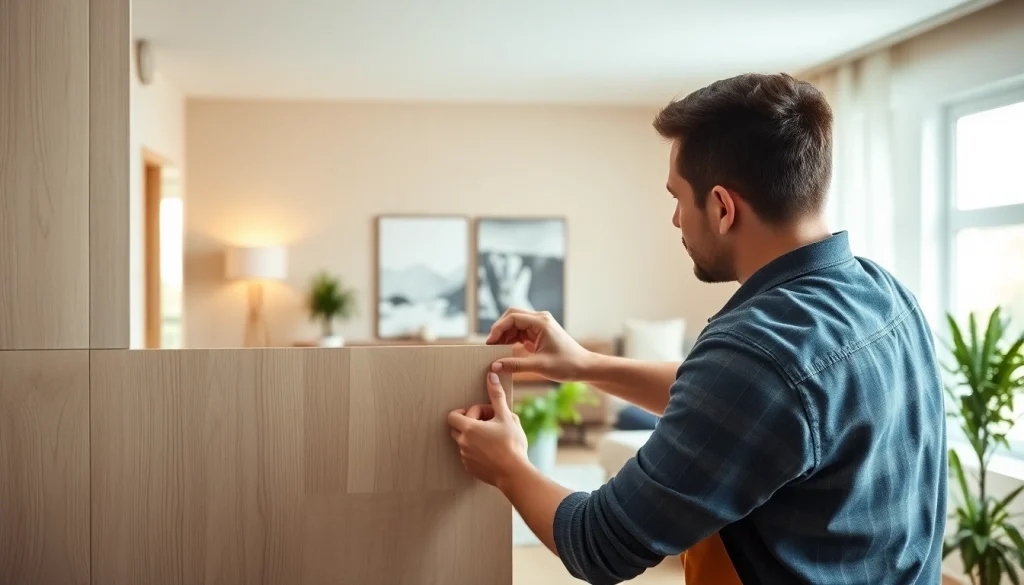
When it comes to constructing or renovating spaces, one of the essential components often overlooked is the interior wall board. This versatile product serves as the foundation for various interior surfaces, providing functionality and aesthetics to both residential and commercial buildings. Understanding the intricacies of interior wall boards, including their types, benefits, and installation techniques, equips homeowners and contractors with the knowledge needed to make informed decisions.
What is Interior Wall Board?
Interior wall board is a generic term that encompasses a range of materials used in constructing interior surfaces of buildings. Typically installed over framing, these boards act as a barrier that separates different rooms and acts as a canvass for finishing touches such as painting or wallpapering. While drywall is perhaps the most recognized type of interior wall board, the term also encompasses other materials that cater to specific structural or aesthetic needs.
Common Materials Used in Interior Wall Board
The most common types of interior wall board materials include:
- Gypsum Board: Also known as drywall, this is the most prevalent type of interior wall board due to its cost-effectiveness and ease of installation.
- Plywood: Often used in places requiring additional strength and aesthetic appeal, plywood is a solid choice for custom-designed interiors.
- Particle Board: Used mainly in furniture and lightweight installations, this material is affordable but not as durable.
- Medium Density Fiberboard (MDF): This versatile material is often used for cabinetry and decorative moldings.
- Oriented Strand Board (OSB): Primarily used in construction, it offers structural strength for new builds or renovations.
Benefits of Using Interior Wall Board
Utilizing the right type of interior wall board comes with numerous advantages:
- Cost-Effective: Many interior wall boards, especially drywall, are relatively inexpensive compared to other wall materials.
- Ease of Installation: Most interior wall board types can be easily cut and handled, making their installation efficient.
- Insulation Properties: Specific types of wall board can enhance thermal and acoustic performance, leading to a more comfortable living or working environment.
- Variety: The wide array of materials allows for customization based on aesthetic preferences and functional needs.
- Durability: Many interior wall boards offer significant fire resistance and robustness, contributing to the overall safety of structures.
Types of Interior Wall Board
Gypsum Board Variants
Gypsum board, the most prevalent type of interior wall board, comes in various forms to suit different applications:
- Standard Gypsum Board: This versatile board is suitable for most interior applications, providing a flat, smooth finish.
- Moisture-Resistant Board: Often referred to as green board, this variant is designed to withstand humidity and moisture exposure, making it ideal for bathrooms and kitchens.
- Fire-Resistant Board: Used primarily in commercial structures, fire-resistant gypsum boards help to slow the spread of flames.
- Soundproof Board: Designed to reduce sound transmission, this type is perfect for media rooms or apartments.
Wood Panel Options
Wood panels provide a natural aesthetic that is often sought after in interior design:
- Veneer Panels: These lightweight options typically feature a thin layer of real wood bonded to a composite base, providing the look of solid wood without the expense.
- Solid Wood Panels: Durable and visually appealing, solid wood panels are frequently used for feature walls or accent areas.
- Plywood Panels: An economical choice that provides strength and versatility for various applications, including shelving and cabinetry.
Eco-friendly Alternatives
With environmental concerns on the rise, many homeowners are seeking eco-friendly interior wall board options:
- Recycled Paper Board: Often made from recycled materials, these boards maintain structural integrity while minimizing environmental impact.
- Straw Board: Composed of straw and resin, this boards offer sustainable insulation properties.
- Hemp Board: An innovative choice made from hemp fibers, it is both sustainable and provides excellent insulation.
Installation Techniques for Interior Wall Board
Essential Tools for Installation
Proper installation of interior wall board requires specific tools to ensure a smooth process:
- Utility Knife: For cutting boards to size efficiently.
- Drywall Screws and Drill: Essential for securing the boards to the framing.
- Measuring Tape: To ensure accurate cuts and placements.
- T Square: To check for plumb and ensure straight lines.
- Spackle Knife: For applying joint compound smoothly.
- Level: To make sure the boards are installed evenly.
Step-by-step Installation Guide
Installing interior wall board can be broken down into manageable steps:
- Preparation: Measure your wall and cut the boards to size using a utility knife.
- Positioning: Secure the first board in the corner of the wall, ensuring it is level.
- Fastening: Use drywall screws to attach the board to the framing, placing screws every 16 inches along the studs.
- Joining: For additional boards, ensure that joints are staggered and apply joint tape at seams.
- Finishing: Apply joint compound over the screws and joints, let it dry, then sand for a smooth finish.
Common Installation Mistakes to Avoid
To ensure a successful installation, avoid these common pitfalls:
- Incorrect Measurements: Always double-check measurements before cutting to prevent waste.
- Poor Securing: Inadequate fastening can lead to sagging or cracks; always secure boards properly.
- Forgetting to Stagger Joints: Staggered joints provide more strength and stability than aligned seams.
- Skipping Pre-taping and Taping: Not using tape can lead to visible seams; always apply joint tape.
Maintenance of Interior Wall Board
Cleaning and Caring for Interior Wall Board
Well-maintained interior wall boards enhance the aesthetic and longevity of your space:
Use a soft cloth or sponge with mild detergent for routine cleaning. Avoid abrasive cleaners that can scratch surfaces. For stubborn stains, gently scrub with a damp sponge. Regular dusting helps keep surfaces looking fresh.
Repairing Damage on Wall Boards
In case of damage, follow these steps for effective repair:
- Identify the Damage: Determine if it’s a small dent, scratch, or larger hole.
- Fill the Damage: Use joint compound to fill small holes or dents. For larger damages, a repair patch may be necessary.
- Sanding: Once the compound is dry, sand it down until smooth, blending with the existing surface.
- Paint: Touch up the area with matching paint to fully restore the appearance.
When to Replace Your Interior Wall Board
Consider replacement if you notice significant signs of damage, such as:
- Severe Water Damage: Signs such as warping or mold indicate replacement is necessary.
- Excessive Cracking: Walls with multiple cracks can compromise structural integrity.
- Damage Beyond Repair: If damage is extensive and repairs won’t suffice, replacement is the best option.
Cost Considerations and Budgeting
Price Range for Different Types of Interior Wall Board
The cost of interior wall board varies widely based on type and quality:
- Standard Gypsum Board: Generally ranges from $0.40 to $0.65 per square foot.
- Moisture-Resistant Board: Prices can range from $0.50 to $1.00 per square foot.
- Soundproof Board: This typically costs between $0.75 to $1.50 per square foot.
- Wood Panels: These can vary significantly, starting from $1.50 to over $5.00 per square foot, depending on the type.
Factors Influencing Installation Costs
Several factors can impact the overall cost of installing interior wall board:
- Labor Costs: Hiring professionals can increase costs, while DIY installation can save money.
- Site Preparation: Costs may rise if extensive prep work is needed, such as removing old boards.
- Type of Material: Premium materials like high-grade wood or specialty boards will significantly impact the budget.
- Regional Variations: Labor and material prices may vary depending on geographic location.
Cost-saving Tips for Homeowners
To help manage your budget, consider these cost-saving strategies:
- Buy in Bulk: Larger quantities often yield discounts, so purchasing extra board materials can save money over time.
- DIY Installation: If you’re handy, consider installing the boards yourself to avoid labor costs.
- Compare Prices: Check multiple suppliers for the best pricing on materials needed for your project.
- Opt for Economical Materials: Balance between cost and quality by exploring mid-range options that meet your needs.
FAQs
What is the difference between drywall and interior wall board?
Drywall is a type of interior wall board primarily made from gypsum, whereas interior wall board can include other materials like wood or composite. Each serves different purposes and aesthetics in homes.
Can interior wall board be painted?
Yes, most interior wall boards can be painted to match your decor. Ensure proper preparation and use suitable paints for the best results.
Is interior wall board moisture-resistant?
Some interior wall boards, like green board or cement board, are designed to be moisture-resistant and suitable for areas with high humidity, such as bathrooms.
How can I soundproof using interior wall board?
To enhance soundproofing, use dense materials like mass loaded vinyl or specialized soundproof drywall. Proper installation also aids in reducing sound transmission.
What thickness of interior wall board should I choose?
Standard thickness for residential use is typically 1/2 inch, but thicker boards may be necessary for specific applications like soundproofing or fire resistance.