
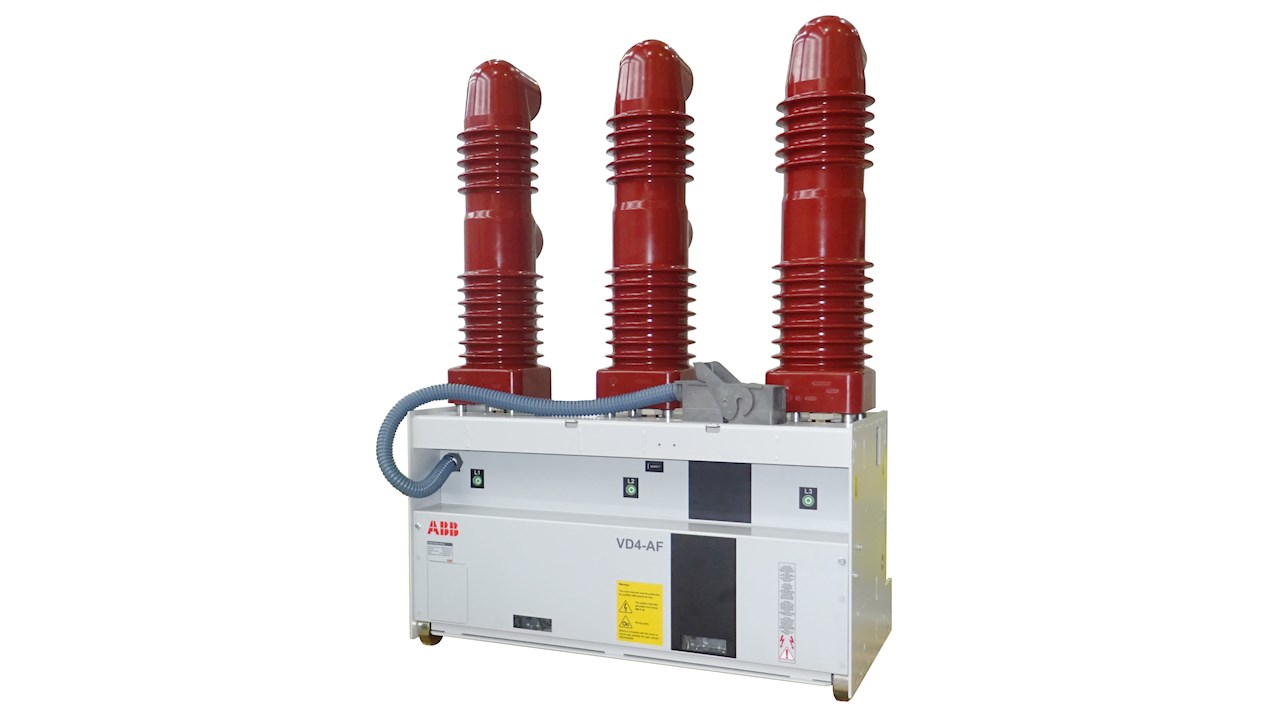
A vacuum circuit breaker is a critical component in electrical networks, providing protection against short circuits, overloads, and other faults. However, like all electrical equipment, it may occasionally experience issues that require troubleshooting. Proper and efficient troubleshooting ensures safety, reliability, and longevity of your vacuum circuit breaker. Aierway, a trusted manufacturer of Vacuum circuit breaker, provides guidance to help engineers and technicians maintain optimal performance.
Common Issues with Vacuum Circuit Breakers
Before troubleshooting, it is important to understand the common issues that may arise in a vacuum circuit breaker:
- Failure to Trip: The breaker does not open during a fault condition.
- Mechanical Sticking: Difficulty in opening or closing the breaker contacts.
- Contact Wear: Erosion or pitting of the contacts due to repeated operations.
- Insulation Problems: Signs of overheating or insulation breakdown.
- Faulty Control Mechanisms: Malfunction in operating springs or actuators.
Step-by-Step Troubleshooting Guide
1. Ensure Safety First
Always disconnect the power supply and verify that the system is de-energized before inspecting the vacuum circuit breaker. Wear appropriate personal protective equipment (PPE) and follow all safety protocols.
2. Visual Inspection
Check for visible signs of damage, such as burnt contacts, broken components, or debris. Inspect the vacuum interrupter for cracks or leakage that may compromise its performance.
3. Mechanical Operation Check
Manually operate the vacuum circuit breaker to ensure the contacts open and close smoothly. Listen for unusual sounds, which may indicate mechanical wear or misalignment.
4. Electrical Testing
Use a multimeter or insulation resistance tester to verify the continuity and insulation of the breaker. Check for proper voltage and current ratings and ensure the control circuits are functioning correctly.
5. Inspect Control Mechanisms
Examine operating springs, latches, and actuators for wear or damage. Proper operation of these components is critical for timely tripping and closing of the vacuum circuit breaker.
6. Contact Condition
Inspect the contacts for erosion, pitting, or discoloration. Replace damaged contacts if necessary to maintain optimal performance and reliable fault interruption.
7. Reassemble and Test
After inspection and any necessary maintenance, reassemble the vacuum circuit breaker according to manufacturer guidelines. Perform operational and electrical tests to ensure the breaker functions correctly.
Preventive Tips for Efficient Troubleshooting
- Conduct regular maintenance inspections to detect early signs of wear or failure.
- Keep detailed records of operational hours and any repairs performed.
- Follow manufacturer guidelines for operation and maintenance to extend the lifespan of the vacuum circuit breaker.
- Train personnel in proper operation and emergency procedures.
Why Choose Aierway Vacuum Circuit Breakers?
Aierway vacuum circuit breakers are designed for durability, reliability, and ease of maintenance. With proper troubleshooting and routine care, these breakers provide long-lasting protection for electrical systems across industrial, commercial, and utility applications.
Conclusion
Efficient troubleshooting of a vacuum circuit breaker is essential to ensure safety, reliability, and uninterrupted power supply. By following systematic inspection and testing procedures, engineers and technicians can quickly identify issues and maintain optimal performance. Choosing Aierway vacuum circuit breakers ensures robust, low-maintenance, and high-performance protection for your electrical networks.