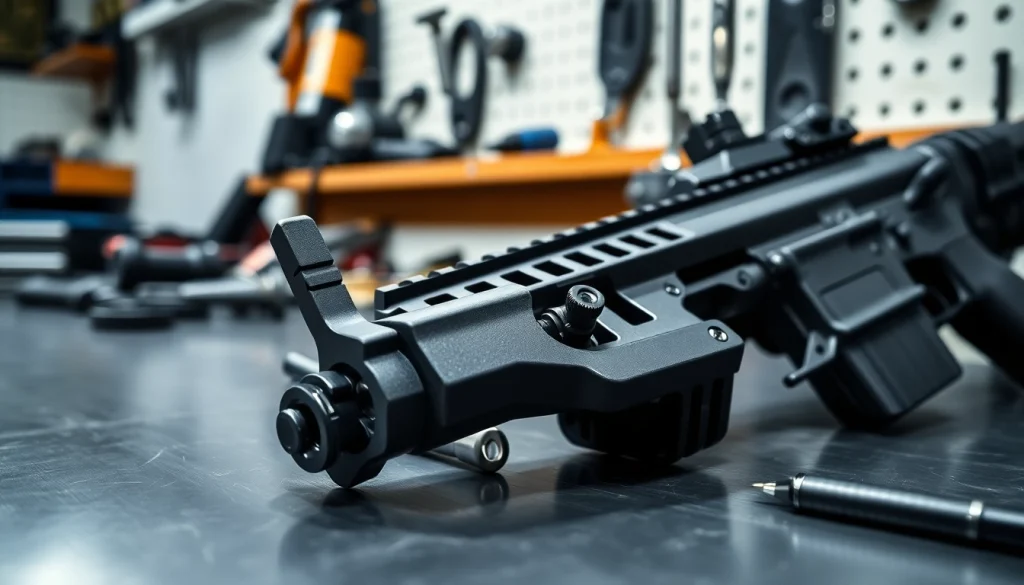
Understanding the AR 15 Trigger Mechanism
The AR 15 trigger plays a crucial role in shaping the overall shooting experience and performance of the rifle. An understanding of how the trigger mechanism functions is vital for any gun owner looking to optimize their setup. It is a highly technical component consisting of several parts, each designed to offer unique characteristics and performance metrics. For many enthusiasts and shooters, upgrading an AR 15 trigger is often considered an essential step to enhance accuracy and speed during operation.
Components of an AR 15 Trigger
At its core, the AR 15 trigger mechanism consists of several key components that work in unison. Understanding these parts can aid in choosing the right trigger for your needs.
- Trigger Blade: The part that the shooter engages, which activates the firing mechanism.
- Trigger Spring: Provides resistance against the trigger pull; different weights can alter the trigger feel.
- Hammer: The component that strikes the firing pin; its design affects the trigger’s pull weight and overall feel.
- Disconnector: Prevents the hammer from dropping until the trigger is released, ensuring semi-automatic firing.
- Trigger Housing: The shell that encases the trigger and its components, maintaining structural integrity.
How Trigger Design Affects Performance
Trigger design significantly influences the rifle’s overall performance. Lightweight triggers tend to offer a light, crisp pull, which many shooters prefer for precision shooting. Conversely, heavier triggers can provide more control and prevent accidental discharges in high-stress scenarios. The shape of the trigger blade and the overall ergonomics of the trigger can also enhance or hinder user experience. Additionally, features like adjustable pull weight allow the shooter to fine-tune their trigger to suit their preferences and shooting style.
Common Trigger Types and Their Uses
There are several types of triggers available for the AR 15, each designed for specific applications:
- Mil-Spec Triggers: Standard issue, offering reliability but often at the cost of a heavier trigger pull.
- Match Triggers: Designed for precision shooting, featuring lighter pull weights and a smoother release.
- Single-Stage Triggers: Provide a straightforward pull with no pre-travel movement, popular for tactical situations.
- Two-Stage Triggers: Require a pre-travel pull before reaching a break point, ideal for target shooting.
Benefits of Upgrading Your AR 15 Trigger
Upgrading your AR 15 trigger can offer numerous benefits. Understanding these advantages is essential for maximizing your shooting performance.
Enhanced Shooting Accuracy
A quality trigger can greatly improve shooting accuracy. A better trigger reduces the amount of movement during the pull, allowing for more consistent shots. Not only does this enhance precision, but it also builds confidence in the shooter’s ability to make accurate shots under varying conditions.
Improved Responsiveness
An upgraded AR 15 trigger often responds more crisply compared to stock options. Quick follow-up shots become easier due to reduced pull weight, minimizing the time it takes to discharge another round. This responsiveness can be particularly advantageous in competitive shooting or tactical scenarios.
Customizing Your Trigger for Different Scenarios
The versatility of an upgraded trigger allows shooters to tailor their setup for specific scenarios. Adjustable pull weights and customizable features mean that users can modify their triggers based on whether they’re engaging in precision shooting or close-range encounters. This adaptability transforms the AR 15 into a more refined tool suited for diverse applications.
Installation Tips for AR 15 Triggers
Installing a new trigger can seem daunting, but understanding proper installation methods ensures a smooth process and optimal performance of your firearm.
Tools Required for Installation
Before you start the installation process, gather the necessary tools:
- Armorer’s wrench
- Small punch tool
- Hammer
- Torque wrench (optional)
- Cleaning cloth
Step-by-Step Guide to Installation
- Safety First: Ensure your firearm is unloaded and pointed in a safe direction.
- Disassemble the Rifle: Remove the upper and lower receivers to access the trigger group.
- Remove the Old Trigger: Carefully push out pins to remove the existing trigger assembly.
- Install the New Trigger: Align the new trigger in place and secure it with the provided pins.
- Reassemble the Rifle: Put the lower and upper receivers back together, checking for proper function.
- Test Fire: Conduct a function check to ensure the new trigger operates correctly.
Common Mistakes to Avoid
While installing an AR 15 trigger, it is crucial to avoid a few common pitfalls:
- Forgetting to check for obstructions in the trigger housing.
- Neglecting to test the trigger function before closing the receiver.
- Over-tightening or under-tightening trigger pins.
Performance Comparison of Popular AR 15 Triggers
Understanding the performance characteristics of popular trigger models can provide insight into which option may best suit your needs.
Review of Top-Trending Triggers
Several triggers have garnered attention for their performance. Each offers different features designed to enhance your shooting experience, from lightweight designs for precision shooting to robust options for tactical applications.
Benchmark Tests on Trigger Performance
Benchmark tests often evaluate pull weight, reset time, and overall feel. Shooters should look for triggers that offer a combination of smooth operation and precise feedback for optimal control.
User Experiences and Feedback
Feedback from fellow shooters can provide valuable insights. Many users report significant improvements in their shooting accuracy and overall satisfaction after upgrading to higher-end triggers.
Frequently Asked Questions about AR 15 Triggers
What is the ideal pull weight for an AR 15 trigger?
The ideal pull weight varies by preference but typically ranges from 3 to 5 pounds for most shooters. Match shooters often prefer lighter pulls.
How can I ensure my AR 15 trigger is safe?
To ensure safety, choose triggers with positive disconnectors, perform routine checks, and follow proper installation procedures to prevent accidental discharges.
What maintenance does an AR 15 trigger require?
Maintenance includes regular cleaning and lubrication to reduce friction, ensuring reliable operation, and routinely checking for wear or damage.
Can I install an AR 15 trigger myself?
Yes, installing an AR 15 trigger is feasible for most shooters with basic tools and mechanical knowledge. Following proper guides is crucial.
What should I consider when choosing a trigger for competition shooting?
Consider pull weight, trigger reset speed, and overall feel. Lightweight, crisp triggers are preferred as they enhance speed and accuracy in competitions.